
Importer Security Filing: Your Key to Smooth Export Operations
In today’s global market, ensuring the security of imported goods is a top priority. However, the process of importing goods becomes even more complex when there are export licensing requirements involved. In this article, we will explore how importer security filing plays a crucial role in managing goods subject to export licensing requirements. By understanding the regulations and procedures surrounding this process, you can ensure smooth and compliant international trade operations.
What is Importer Security Filing?
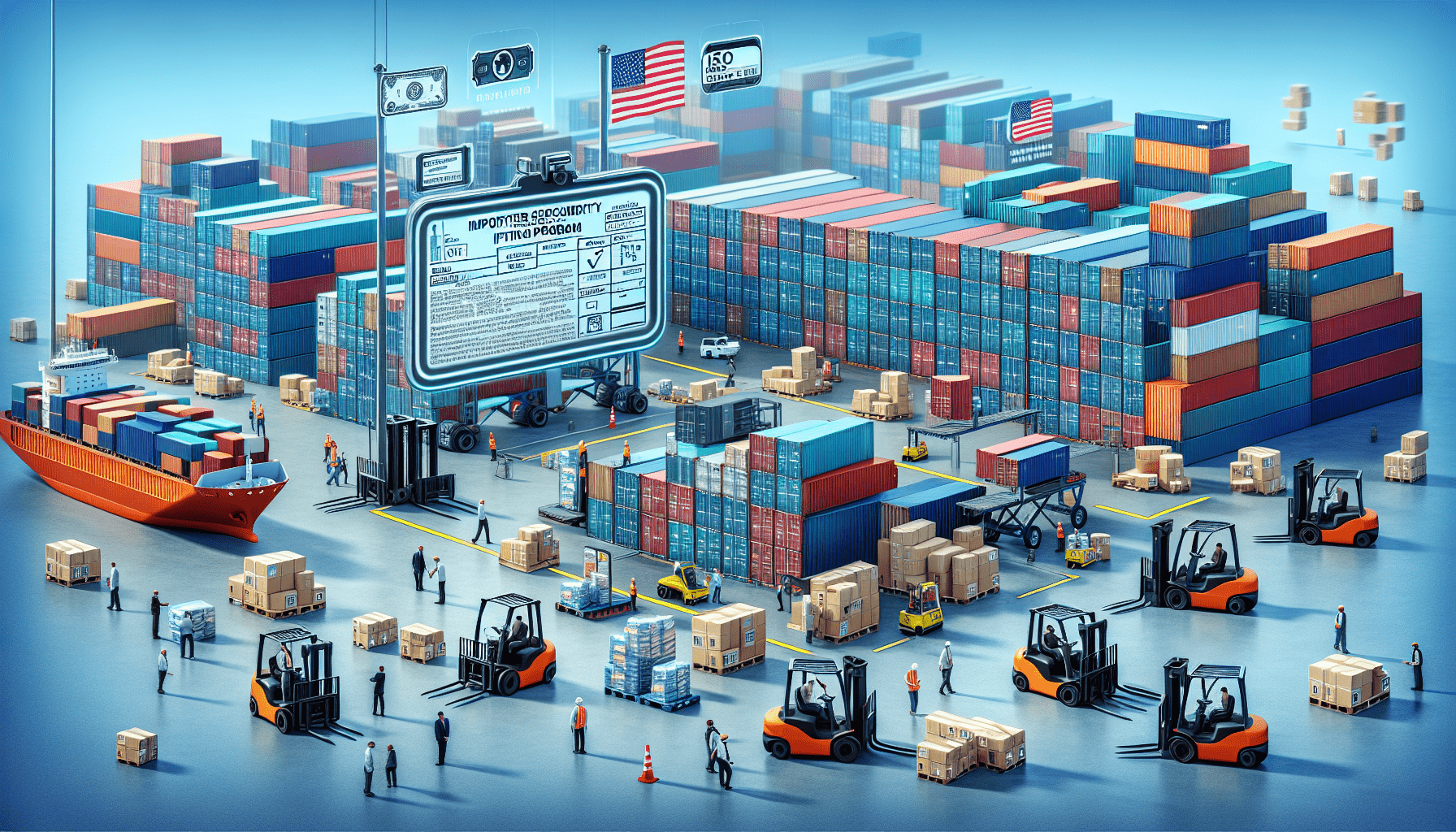
Importer Security Filing (ISF), also known as 10+2, is a program implemented by U.S. Customs and Border Protection (CBP) that requires comprehensive information to be submitted by importers about the cargo they intend to bring into the United States. The aim of ISF is to enhance security in the supply chain and ensure the safety of imports.
Definition
ISF is a filing process that requires importers to submit specific information about their shipments to CBP before the cargo is loaded onto a vessel destined for the United States. This information includes details about the importer, consignee, manufacturer, shipper, and the contents of the shipment.
Purpose
The purpose of ISF is to provide CBP with advance information about incoming shipments, allowing them to assess potential security risks and target high-risk cargo for inspection. By collecting and analyzing this data, CBP can make informed decisions to protect the United States and prevent the entry of illicit or dangerous goods.
Export Licensing Requirements
Export licensing requirements are regulations imposed by governments to control the export of certain goods or technologies. These requirements vary based on the nature of the product, its destination, and the national security or foreign policy concerns of the exporting country.
Explanation
Export licensing requirements dictate that certain goods can only be exported with the necessary licenses or permits. These licenses are issued by the authorities responsible for export control, such as the U.S. Department of Commerce or the U.S. Department of State. The purpose of these requirements is to ensure that sensitive technologies and goods do not fall into the wrong hands or harm national security.
Types of Export Licenses
There are different types of export licenses, depending on the nature of the goods being exported and the destination country. Some common types include:
- General licenses: These permits cover a broad range of goods and do not require a specific application.
- Single-use licenses: These licenses are issued for a specific export transaction and are restricted to a single shipment or recipient.
- Bulk licenses: These licenses cover multiple shipments over a specific period.
- Re-export licenses: These permits are required when exporting goods that were previously imported into a country.
Relationship between Importer Security Filing and Export Licensing Requirements
The relationship between ISF and export licensing requirements is interconnected, as both processes involve providing detailed information about the shipment. ISF focuses on the import side, while export licensing requirements focus on the export side of the transaction.
When exporting goods subject to export licensing requirements, importers must ensure they have the necessary licenses before filing the ISF. The information submitted through the ISF can be used to verify compliance with export licensing requirements and confirm that the goods being imported have the required permits.
Impact on Importers
The implementation of ISF and export licensing requirements has several impacts on importers, both in terms of documentation and operational challenges.
Increased Documentation
Importers are required to provide comprehensive information through the ISF, including details about the parties involved in the import transaction, cargo descriptions, and the country of origin. This necessitates an increase in the level of documentation required for each shipment, which can be a time-consuming and resource-intensive process.
Potential Delays
In some cases, importers may experience delays in the clearance of their shipments due to incomplete or inaccurate information provided in the ISF. CBP may place a hold on the cargo until the necessary corrections are made or additional documentation is provided. Delays can cause disruptions in the supply chain and impact the timely delivery of goods.
Financial Implications
Complying with ISF and export licensing requirements can result in additional costs for importers. The increased documentation requirements may require the hiring of additional staff or utilizing third-party service providers. Moreover, delays in clearance can lead to storage charges, demurrage fees, or penalties imposed by the shipping line.
Impact on Exporters
Exporters also face challenges and increased accountability when it comes to compliance with ISF and export licensing requirements.
Increased Accountability
Exporters must ensure that the goods they are exporting comply with the export licensing requirements of the importing country. They are responsible for providing accurate information about the goods to the importer, who then includes it in the ISF. Failure to comply with these requirements can result in reputational damage and potential legal implications.
Challenges in Compliance
Understanding and navigating the complex landscape of export licensing requirements can be challenging for exporters. The classification of goods, verifying the destination country’s licensing requirements, and obtaining the necessary permits can be time-consuming and may require specialized knowledge. Exporters need to invest in ensuring compliance with export licensing requirements to avoid penalties or disruptions to their operations.
Strategies for Compliance
To mitigate the impact of ISF and export licensing requirements, importers and exporters can adopt various strategies to enhance compliance and streamline their processes.
Thorough Documentation
Maintaining accurate and comprehensive documentation is crucial for compliance. Importers and exporters should maintain records of all relevant paperwork, including licenses, permits, invoices, and shipping documents. This ensures that the necessary information is readily available for ISF filing and export licensing compliance.
Effective Communication
Establishing effective communication channels between importers and exporters is essential for a smooth process. Open lines of communication allow for the exchange of accurate and timely information, ensuring that the necessary details are provided for ISF filing and export licensing requirements.
Establishing Relationships
Building strong relationships with customs brokers, freight forwarders, and other service providers can help importers and exporters navigate the complexities of ISF and export licensing requirements. These professionals have the expertise and experience to guide businesses through the process, ensuring compliance and minimizing delays or penalties.
Customs and Border Protection Enforcement
CBP plays a vital role in enforcing ISF and export licensing requirements, with the aim of securing the nation’s borders and protecting the supply chain.
Role of CBP
CBP is responsible for receiving and processing ISF filings, as well as enforcing export control regulations. They review the information submitted through ISF to identify potential security risks and select high-risk shipments for inspection. CBP also collaborates with other agencies, such as the U.S. Department of Commerce, to verify export licenses and ensure compliance.
Penalties for Non-Compliance
Non-compliance with ISF and export licensing requirements can result in significant penalties. CBP has the authority to impose fines, seize shipments, and even pursue criminal charges for intentional violations. Importers and exporters must prioritize compliance to avoid damaging consequences for their business operations.
Influence on International Trade
The implementation of ISF and export licensing requirements has a profound influence on international trade, affecting trade flows and incentivizing compliance.
Effect on Trade Flows
ISF and export licensing requirements have the potential to impact trade flows, particularly when non-compliance leads to delays or disruptions in the supply chain. Strict enforcement measures can slow down the movement of goods and increase costs for importers and exporters. This can potentially alter trade patterns and create challenges for businesses operating in highly regulated industries.
Incentives for Export Licensing Compliance
The importance of ISF and compliance with export licensing requirements has encouraged greater attention to the process by importers and exporters alike. Businesses are becoming more proactive in understanding and adhering to export control regulations to avoid penalties, maintain customer relationships, and safeguard their reputation. Compliance with ISF and export licensing requirements can lead to smoother trade transactions and enhanced credibility in the international marketplace.
Regional Differences in Importer Security Filing and Export Licensing Requirements
Importers and exporters need to be aware that ISF and export licensing requirements can vary across different countries and regions.
Country-Specific Regulations
Each country has its own regulations and processes for ensuring the security of imports and exports. Importers and exporters must familiarize themselves with the specific requirements of the countries they engage with to ensure compliance. Failure to comply with country-specific regulations can lead to entry denials, shipment delays, or additional penalties.
Future Developments
The landscape of ISF and export licensing requirements is constantly evolving. Various developments are expected to shape these processes in the coming years.
Potential Changes in Filing Process
ISF filing processes may undergo changes to adapt to advancements in technology and facilitate smoother transactions. Automation and digitalization could streamline the submission of information, reducing paperwork and simplifying compliance procedures for importers and exporters.
Enhanced Collaboration between Authorities
To further strengthen global security and streamline trade, there may be increased collaboration between authorities responsible for ISF and export licensing requirements. Countries and international organizations may work together to align regulations, share information, and foster cooperation to address security concerns without excessively burdening importers and exporters.
In conclusion, ISF and export licensing requirements have a significant impact on importers and exporters worldwide. Compliance with these processes is crucial for ensuring the security and efficiency of the supply chain. Importers and exporters must stay informed about the evolving regulatory landscape, prioritize thorough documentation and effective communication, and establish strong relationships with service providers. By doing so, businesses can navigate the complexities of ISF and export licensing requirements, maintain compliance, and optimize their international trade operations.