
Elevate Your Freight Forwarders Operations with Importer Security Filing
In the world of international shipping, there is a crucial aspect that often goes unnoticed by many: Importer Security Filing (ISF). This requirement, imposed by customs authorities, has a significant impact on the operations of freight forwarders. From ensuring accurate and timely submission of information to navigating potential penalties, freight forwarders play a vital role in complying with ISF regulations. This article will explore the ways in which Importer Security Filing affects the day-to-day operations of freight forwarders and shed light on the importance of their role in facilitating smooth and secure cargo transportation.
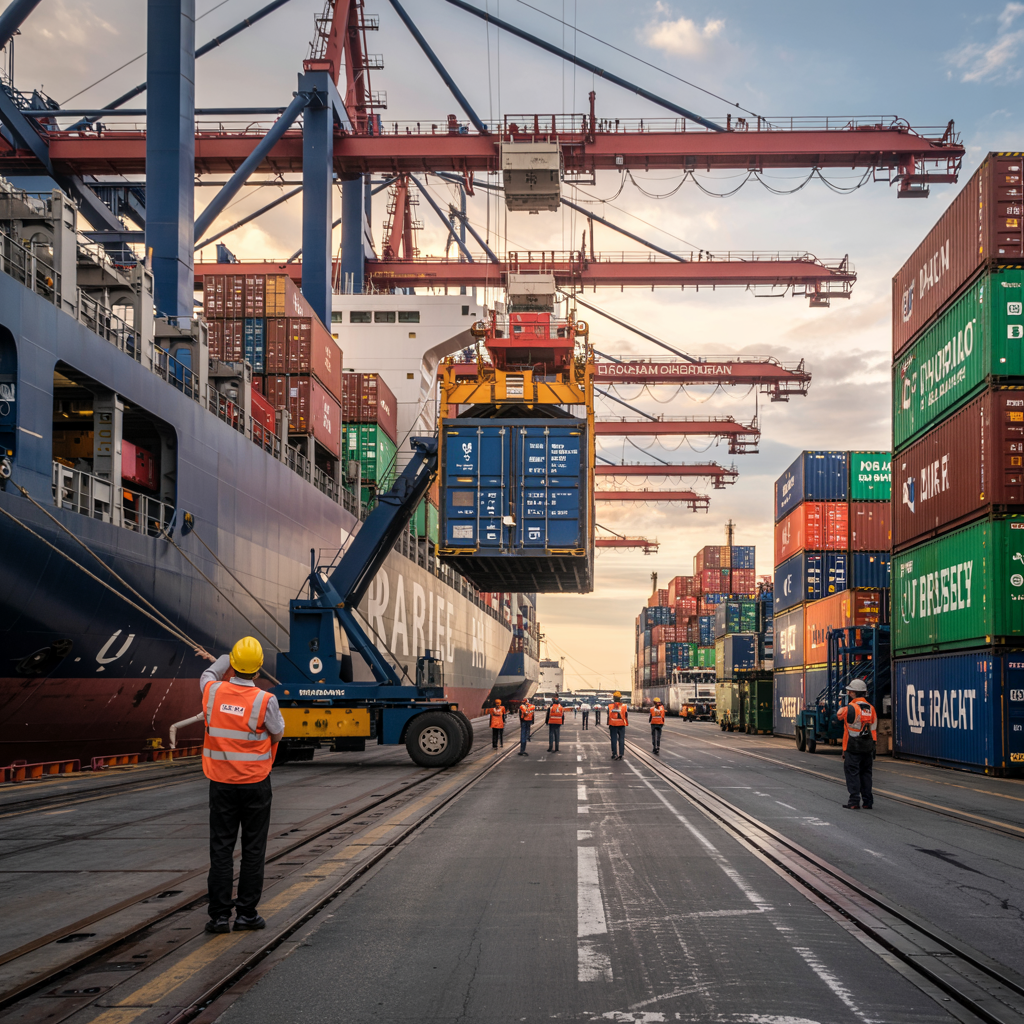
Overview of Importer Security Filing (ISF)
What is Importer Security Filing (ISF)?
Importer Security Filing (ISF) is a program implemented by U.S. Customs and Border Protection (CBP) that requires importers and their agents to provide specific information about the cargo being imported into the United States. This information is submitted electronically to CBP prior to the cargo’s arrival in the country.
Purpose of Importer Security Filing (ISF)
The primary purpose of ISF is to enhance the security of the United States’ supply chain and enable CBP to identify high-risk shipments before they reach the country. By providing advance information about the cargo, ISF allows CBP to assess potential security threats and take appropriate measures to protect the nation.
Timeline and Requirements for Importer Security Filing (ISF)
Under the ISF program, importers or their agents are required to submit the required information to CBP at least 24 hours before the cargo is loaded onto a vessel destined for the United States. The information includes details about the shipper, consignee, cargo, and the vessel transporting the cargo. Failure to comply with the ISF requirements can result in penalties and potential delays in cargo clearance.
Role of Freight Forwarders
Definition and Responsibilities of Freight Forwarders
Freight forwarders play a crucial role in international trade and act as intermediaries between importers, exporters, shipping lines, and other stakeholders involved in the transportation of goods. Their responsibilities include coordinating transportation, preparing and filing documentation, arranging customs clearance, and ensuring the smooth movement of cargo from the point of origin to the final destination.
Importance of Freight Forwarders in International Trade
Freight forwarders are essential in facilitating international trade by leveraging their expertise and networks to navigate complex transportation and customs requirements. They help importers and exporters optimize their supply chains, reduce costs, and ensure regulatory compliance. Their knowledge of various transportation modes, regulations, and trade agreements makes them invaluable partners for businesses engaged in international trade.
Involvement of Freight Forwarders in Importer Security Filing (ISF)
Freight forwarders play a critical role in complying with ISF requirements on behalf of importers. They are responsible for gathering the necessary information about the imported cargo, ensuring its accuracy, and submitting it to CBP within the designated timeline. This involves close coordination with the importer, other supply chain partners, and customs brokers to gather the required data and ensure smooth customs clearance.
Impact on Freight Forwarders Operations
Increased Documentation Requirements
ISF has significantly increased the documentation requirements for freight forwarders. In addition to the standard shipping and customs documentation, they must now gather and submit specific information about the cargo, including the manufacturer, seller, and country of origin. This increased paperwork creates additional administrative tasks and requires careful attention to detail to avoid any errors or omissions.
Enhanced Data Accuracy and Timeliness
With ISF, the accuracy and timeliness of data become even more crucial. Freight forwarders must ensure that the information they provide to CBP is complete and correct to avoid penalties and delays in cargo clearance. They need to implement robust internal processes and systems to verify the accuracy of data and ensure it is submitted well before the required deadline.
Collaboration with Importers and Customs Brokers
Successful compliance with ISF requires close collaboration between freight forwarders, importers, and customs brokers. Freight forwarders must work closely with importers to gather the necessary information and ensure its accuracy. They also need to coordinate with customs brokers to align on the submission process and ensure seamless customs clearance. Effective communication and collaboration are essential to meeting ISF requirements.
Integration of Importer Security Filing (ISF) Processes
To streamline operations and facilitate efficient ISF management, freight forwarders need to integrate ISF processes into their existing workflows and systems. This integration allows for seamless data exchange between different stakeholders involved in the transportation process, minimizing the risk of errors and delays. By automating data transfer and using electronic platforms, freight forwarders can improve efficiency and accuracy in ISF compliance.
Technology and Software Solutions
The implementation of ISF requirements has driven the adoption of technology and software solutions by freight forwarders. These tools help automate data collection, verification, and submission processes, reducing the need for manual intervention and minimizing the risk of errors. Additionally, technology solutions provide real-time visibility into the status of ISF submissions, enabling proactive measures to address any issues that may arise.
Challenges Faced by Freight Forwarders
Complexity of Complying with Importer Security Filing (ISF)
Complying with ISF can be complex and challenging for freight forwarders, especially when dealing with a large volume of shipments. The intricacies of gathering accurate information, adhering to strict timelines, and managing multiple ISF submissions require a high level of expertise and organizational efficiency. Freight forwarders need to invest significant time and resources in understanding the intricacies of ISF regulations to ensure compliance.
Coordinating Information from Multiple Parties
Freight forwarders often rely on information provided by various parties involved in the transportation process. Coordinating and consolidating this information can be a logistical challenge, particularly when dealing with multiple consignees, suppliers, and manufacturers. Effective communication and strong partnerships with stakeholders are essential to collect the required data and ensure its accuracy before submitting it to CBP.
Potential Delays and Penalties
Non-compliance with ISF requirements can result in significant penalties and delays for freight forwarders. Any inaccuracies or missing data in the ISF submission can trigger CBP holds or examinations, leading to delayed cargo clearance and potential financial losses for all parties involved. Freight forwarders must mitigate the risk of penalties by implementing robust quality control processes and fostering a culture of compliance within their organizations.
Cost Implications
Complying with ISF requirements can lead to increased costs for freight forwarders. The need for additional documentation, technology adoption, and staff training to meet ISF obligations can impact their bottom line. Freight forwarders must carefully evaluate the cost implications of ISF compliance and work closely with their clients to manage these costs effectively while maintaining service quality.
Strategies for Efficiently Managing Importer Security Filing (ISF)
Establishing Strong Partnerships and Communication Channels
Freight forwarders can enhance ISF management by establishing strong partnerships and communication channels with importers, customs brokers, and other stakeholders. Regular communication and collaboration improve the flow of information and facilitate early resolution of any issues or discrepancies. By fostering transparent and open relationships, freight forwarders can ensure seamless coordination and accurate ISF submissions.
Utilizing Technology and Automation
Leveraging technology and automation is crucial for efficient ISF management. Freight forwarders should invest in software solutions that automate data collection, verification, and submission processes, reducing human error and improving efficiency. Integration with customs brokers’ systems and cargo tracking platforms can further enhance visibility and streamline ISF operations.
Investing in Staff Training and Expertise
Given the complexity of ISF compliance, freight forwarders should invest in training their staff on the intricacies of ISF regulations and procedures. The knowledge and expertise of the staff play a vital role in ensuring accurate data collection, submission, and compliance with ISF requirements. Regular training sessions and continuous education programs keep the staff up to date with the evolving ISF regulations.
Implementing Best Practices
Freight forwarders can optimize their ISF management by implementing industry best practices. This includes establishing standardized processes for data collection, verification, and submission, as well as quality control measures to ensure accuracy. By following established best practices, freight forwarders can improve operational efficiency, reduce errors, and enhance compliance with ISF requirements.
Constant Monitoring and Compliance
Effective ISF management requires constant monitoring and compliance with regulatory updates. Freight forwarders should stay informed about changes in ISF regulations and update their processes accordingly to ensure ongoing compliance. Regular internal audits and assessments help identify any gaps or areas for improvement in ISF management and enable proactive measures to address them.
Benefits of Effective Importer Security Filing (ISF) Management
Streamlined Operations and Processes
Efficient ISF management leads to streamlined operations and processes for freight forwarders. By implementing standardized procedures, leveraging technology, and establishing strong partnerships, freight forwarders can reduce the time and effort required to gather and submit ISF information. Streamlined operations enhance productivity, minimize errors, and optimize resource utilization.
Reduced Risk of Non-Compliance
Effective ISF management reduces the risk of non-compliance for freight forwarders. By adhering to ISF requirements, ensuring accurate data submission, and monitoring regulatory changes, freight forwarders can avoid penalties, delays, and other consequences of non-compliance. This enhances their reputation, minimizes financial risks, and strengthens their position as trusted partners in the supply chain.
Enhanced Customer Satisfaction
Efficient ISF management positively impacts customer satisfaction. Importers value freight forwarders who can navigate complex compliance requirements seamlessly and ensure smooth cargo clearance. By providing accurate and timely ISF submissions, freight forwarders contribute to a seamless supply chain experience for their customers, mitigating potential disruptions and delays.
Improved Supply Chain Visibility and Control
Through effective ISF management, freight forwarders can improve supply chain visibility and control. By implementing technology solutions and integrating information systems, freight forwarders gain real-time visibility into the status of ISF submissions and clearances. This enables them to proactively identify and address any issues or discrepancies, minimizing disruptions and ensuring smooth cargo movement.
Industry Perspectives on Importer Security Filing (ISF)
Opinions and Feedback from Freight Forwarders
Opinions and feedback from freight forwarders regarding ISF vary. Some appreciate the heightened security measures and believe that ISF helps protect the nation from potential threats. Others view ISF compliance as a burdensome task, requiring significant investment in time, resources, and technology. Overall, freight forwarders emphasize the importance of collaboration, technology adoption, and continuous improvement in efficiently managing ISF.
Insights from Importers and Customs Brokers
Importers and customs brokers recognize the value that freight forwarders bring to ISF compliance. They rely on their expertise to collect accurate information, navigate complex regulations, and ensure timely submission. Importers appreciate the role of freight forwarders in minimizing potential delays and enabling a smooth customs clearance process. Customs brokers acknowledge the need for close collaboration with freight forwarders to facilitate compliance and enhance supply chain efficiency.
Regulatory Updates and Changes
ISF regulations undergo periodic updates and changes to adapt to evolving security threats and industry requirements. Freight forwarders need to stay informed about these updates to ensure ongoing compliance. They rely on industry associations, regulatory authorities, and customs brokers to provide updates and guidance on changes in ISF requirements. Ongoing monitoring of regulatory updates enables freight forwarders to adapt their processes and systems accordingly.
Case Studies: Successful Implementation of Importer Security Filing (ISF)
Experiences of Freight Forwarders
Several freight forwarders have successfully implemented efficient ISF management practices. By leveraging technology, streamlining processes, and investing in staff training, they have minimized errors, reduced costs, and strengthened their compliance with ISF requirements. These forwarders emphasize the importance of collaboration, automation, and continuous improvement in achieving successful ISF implementation.
Importers’ Perspectives
Importers recognize the value of efficient ISF management by freight forwarders in ensuring smooth operations and minimizing disruptions to their supply chains. Importers appreciate the insights and expertise that forwarders bring to ISF compliance, as it allows them to focus on their core business activities while ensuring regulatory compliance. Effective ISF management by forwarders enhances importers’ confidence in their supply chain partners.
Lessons Learned and Best Practices
Case studies offer valuable lessons and best practices for freight forwarders looking to improve their ISF management. These include the importance of investing in technology and automation, establishing clear communication channels with importers and customs brokers, and implementing robust quality control measures. Continuous monitoring of regulatory changes and proactive adaptation of processes are also vital for successful ISF implementation.
Future Outlook and Trends
Potential Changes in Importer Security Filing (ISF) Regulations
The future of ISF regulations may include updates to address emerging security threats and industry needs. Regulatory authorities may introduce new data elements, revise existing requirements, or streamline processes to enhance efficiency while maintaining security. Freight forwarders must stay abreast of these potential changes to ensure ongoing compliance and adapt their processes accordingly.
Advancements in Technology and Automation
Technology and automation will continue to play a significant role in ISF management. Advancements in artificial intelligence, machine learning, and data analytics will enable more accurate data collection, verification, and submission. Integration with information platforms and systems will enhance visibility and automate compliance processes, further streamlining ISF operations for freight forwarders.
Integration with Other Trade Facilitation Initiatives
The integration of ISF with other trade facilitation initiatives is expected to increase. As global trade becomes more interconnected, harmonizing data requirements and processes across different countries and regions becomes essential. ISF may be aligned with other initiatives such as the World Customs Organization’s SAFE Framework of Standards, enabling seamless information exchange between participating countries and further enhancing supply chain security.
Importance of Continuous Adaptation and Improvement
In a rapidly evolving global trade landscape, continuous adaptation and improvement are critical for freight forwarders managing ISF. By staying proactive, monitoring industry trends, and embracing new technologies and best practices, forwarders can enhance their ISF management capabilities and meet the evolving requirements of regulators and stakeholders. Continuous improvement ensures their competitiveness and positions them as trusted partners in the supply chain.
Conclusion
The Importer Security Filing (ISF) program has significantly impacted freight forwarders operations, requiring them to gather specific information, ensure accuracy, and submit it to U.S. Customs and Border Protection (CBP) within designated timelines. Freight forwarders play a crucial role in international trade, and their involvement in ISF compliance is essential to facilitate secure and efficient supply chain operations.
While ISF compliance presents challenges such as increased documentation requirements, coordination of information from multiple parties, potential delays, and associated costs, freight forwarders can adopt strategies for efficient ISF management. By establishing strong partnerships, utilizing technology and automation, investing in staff training, implementing best practices, and monitoring compliance, freight forwarders can streamline operations and reduce the risk of non-compliance.
Efficient ISF management offers several benefits, including streamlined processes, reduced risk of penalties, enhanced customer satisfaction, and improved supply chain visibility and control. The perspectives of freight forwarders, importers, and customs brokers highlight the importance of collaboration, expertise, and continuous improvement in successfully managing ISF.
The future outlook for ISF management includes potential regulatory changes, advancements in technology and automation, integration with other trade facilitation initiatives, and the importance of continuous adaptation and improvement. Freight forwarders must stay informed and adapt to these changes to maintain their competitiveness and ensure ongoing compliance with ISF requirements. Ultimately, efficient ISF management is crucial for freight forwarders as they navigate the complex landscape of international trade and provide value to their customers.