
What Is A Customs Warehouse, And How Is It Used?
So, you’ve probably heard the term “customs warehouse” thrown around before, but do you really know what it means? Well, let me break it down for you. A customs warehouse is a specialized facility where goods can be stored temporarily under customs control. It’s basically a secure space where imported goods can hang out until they are ready to be cleared through customs and move on to their final destination. Sounds pretty straightforward, right? But there’s actually a lot more to it. In this article, we’ll explore the ins and outs of customs warehouses and discover how they play a crucial role in international trade. Hold on tight, because we’re about to unravel this mystery together.

Definition of Customs Warehouse
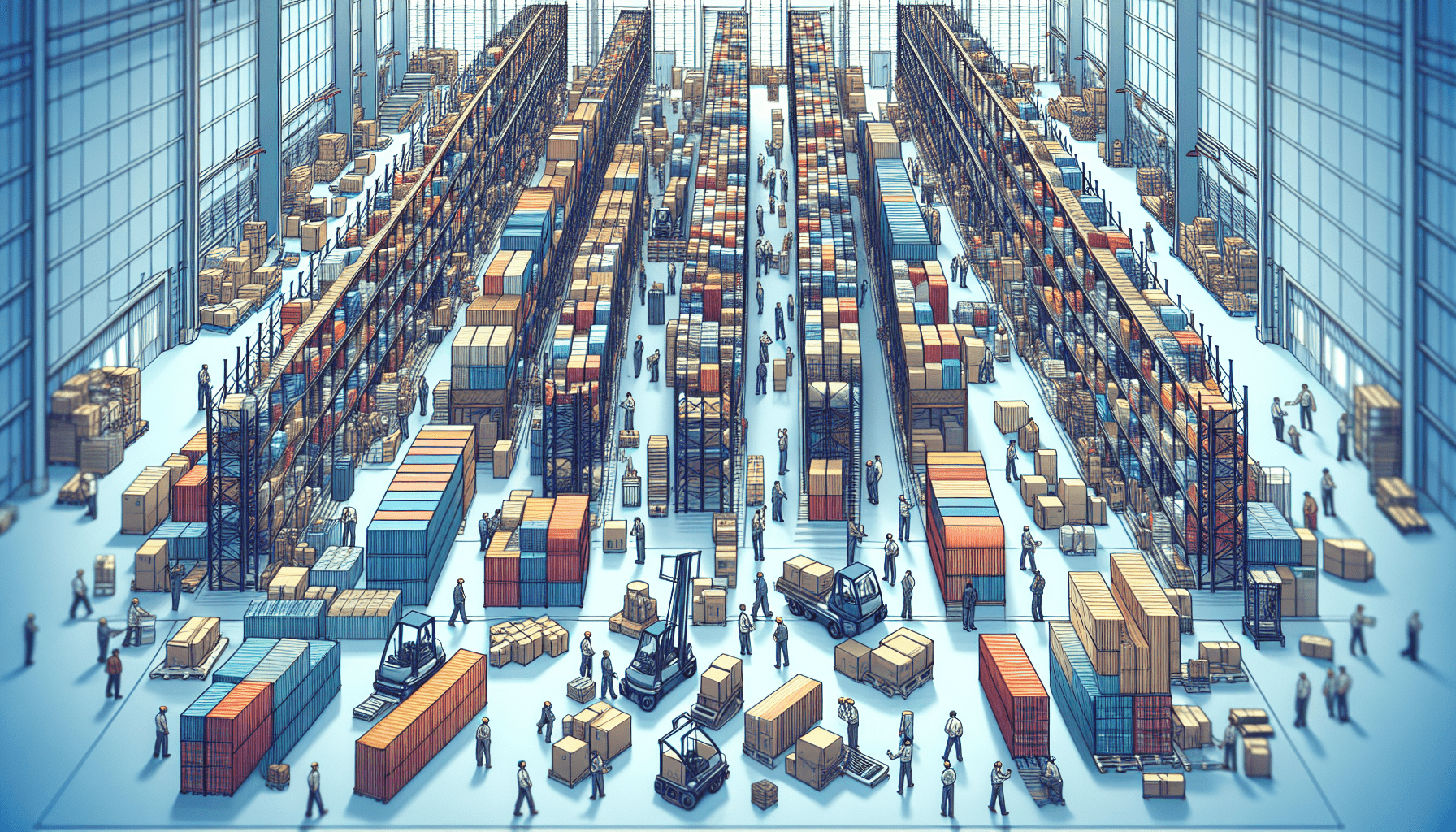
A customs warehouse, also known as a bonded warehouse, is a facility that provides storage for goods imported or pending exportation. It is a secure location authorized by customs authorities, where goods can be stored for a certain period of time without the need to pay duties or taxes. Customs warehouses play a vital role in international trade, supporting supply chain management and providing a range of benefits to businesses.
Overview
Customs warehouses serve as temporary storage facilities for goods before they are released into the local market or exported. They are designed to facilitate smooth trade operations by deferring duties and taxes, improving cash flow, and enhancing inventory management. By storing goods in a customs warehouse, businesses can gain flexibility in their supply chain and enjoy various advantages such as reduced customs duties and quicker customs clearances.
Role of Customs Warehouse
The primary role of a customs warehouse is to facilitate customs procedures and provide a secure environment for the storage of goods. When goods arrive at a customs warehouse, they are placed under the supervision of customs authorities. The warehouse operator must ensure compliance with customs regulations and maintain records of all goods stored within the facility. The customs warehouse acts as a buffer zone between the arrival of goods and their subsequent clearance, allowing businesses to optimize their supply chain and manage inventory effectively.
Legally Bonded Warehouse
A customs warehouse is also referred to as a legally bonded warehouse due to the strict regulations that govern its operation. The warehouse operator must obtain a license from the customs authorities and adhere to specific security and storage requirements. This bond ensures that the goods stored in the warehouse are controlled and accounted for in accordance with customs regulations. Failure to comply with the regulations can result in penalties, fines, or even the revocation of the warehouse’s license.
Benefits of Using a Customs Warehouse
Duty and Tax Deferral
One of the primary benefits of using a customs warehouse is the ability to defer duties and taxes on imported goods. When goods are placed in a customs warehouse, businesses are not required to pay duties or taxes until the goods are released for consumption in the local market. This deferral provides a significant advantage in terms of cash flow, as businesses can delay payment until the goods are sold or exported.
Improved Cash Flow
By deferring duties and taxes, customs warehouses help businesses improve their cash flow. This is particularly beneficial for small and medium-sized enterprises that may not have sufficient funds to pay customs duties upfront. The ability to delay payment allows businesses to allocate their financial resources more efficiently and invest in other areas of operation to support their growth.
Inventory Management
Customs warehouses play a crucial role in effective inventory management. For businesses dealing with fluctuating demand or seasonal products, storing goods in a customs warehouse allows them to maintain appropriate stock levels. With the ability to adjust inventory based on market conditions, businesses can avoid stockouts or excess inventory, minimizing associated costs and optimizing their supply chain.
Supply Chain Flexibility
Customs warehouses offer supply chain flexibility by providing businesses with a strategic storage location. Goods can be stored in the customs warehouse until they are needed for local distribution or exportation. This flexibility allows businesses to optimize their supply chain by adjusting inventory levels, adapting to fluctuations in demand, and exploring new markets. The customs warehouse acts as a central point where goods can be kept before being allocated to the most optimal destination within the supply chain.
Types of Goods Stored in Customs Warehouses
Imported Goods
One of the primary types of goods stored in customs warehouses is imported goods. When goods arrive in a country, they can be stored in a customs warehouse to defer the payment of duties and taxes. This allows businesses to hold inventory without incurring immediate financial obligations, enabling them to evaluate the market demand, conduct quality control checks, or simply delay payment until the goods are sold.
Goods pending Export
Customs warehouses also serve as storage facilities for goods pending export. Businesses can store goods in a customs warehouse while awaiting the necessary documentation, shipping arrangements, or market conditions to optimize their export operations. By keeping the goods in a customs warehouse, businesses can ensure their security and prevent unnecessary delays in the export process.
Temporary Storage of Goods
In addition to imported goods and goods pending export, customs warehouses are used for the temporary storage of goods that are in transit or awaiting further processing. These goods may include raw materials, components, or finished products. By utilizing a customs warehouse, businesses can efficiently manage their supply chain, avoid congestion at ports, and maintain control over their inventory until it is ready for the next stage of production or distribution.
Process of Using a Customs Warehouse
Application and Approval
To use a customs warehouse, businesses must apply for permission from the customs authorities. The application process typically involves providing detailed information about the goods to be stored, the intended use of the customs warehouse, and the security measures in place. Upon submission of the application, the customs authorities will review the request and grant approval if all requirements are met. Once the application is approved, the business can begin using the customs warehouse for storage purposes.
Movement of Goods
When goods are ready to be stored in a customs warehouse, they must be transported from their point of arrival or production to the warehouse facility. This movement of goods is typically conducted under the supervision of customs authorities to ensure compliance with regulations and to prevent any unauthorized access or tampering. Goods are carefully documented, and their movement is recorded to maintain a clear audit trail throughout the process.
Storage and Security Measures
Once goods are brought into the customs warehouse, they are stored in designated areas based on their nature, value, or specific requirements. The customs warehouse operator must ensure appropriate storage conditions to preserve the quality and security of the goods. This may include temperature-controlled areas, specialized storage equipment, or strict security measures such as surveillance cameras, access control systems, and regular inspections. The objective is to maintain the integrity of the goods and provide a secure environment throughout their storage period.
Customs Procedures in a Warehouse
Entry and Exit Procedures
Customs procedures in a warehouse involve the entry and exit of goods into and out of the facility. When goods arrive at a customs warehouse, they go through entry procedures, including inspection and verification of their quantity, value, and compliance with importation or exportation requirements. Similarly, when goods are ready to leave the warehouse, exit procedures are conducted to ensure proper documentation, adherence to regulations, and, if necessary, payment of duties and taxes.
Customs Control and Surveillance
Customs control and surveillance play a vital role in a customs warehouse to prevent fraud, smuggling, or other illicit activities. Customs authorities have the right to conduct regular inspections, audits, and random checks to ensure compliance with customs regulations. Surveillance systems, including CCTV cameras, may be installed to monitor the activities within the warehouse and deter any potential unauthorized access or tampering.
Reporting and Documentation Requirements
Within a customs warehouse, businesses are required to maintain accurate and up-to-date records of all goods stored, received, and dispatched. This includes detailed documentation such as invoices, packing lists, import/export licenses, and customs declarations. These records serve as evidence of compliance with customs regulations and can be requested by the customs authorities as part of their monitoring and auditing processes. Timely and accurate reporting is essential to maintain transparency and facilitate smooth customs procedures.
Compliance and Regulations for Customs Warehouses
Customs Regulations
Customs warehouses are subject to a range of regulations imposed by the customs authorities. These regulations cover aspects such as storage conditions, security requirements, documentation, record-keeping, and reporting obligations. Compliance with these regulations is essential to maintain the status of a customs warehouse and avoid penalties or loss of operating privileges. Customs regulations may vary from country to country, so businesses operating in multiple jurisdictions must stay updated on the specific requirements of each location.
Tariffs and Trade Agreements
Customs warehouses are affected by tariffs and trade agreements between countries. Tariffs, or import duties, are imposed on goods imported into a country, and the rates can vary depending on the type of goods and the country of origin. Trade agreements, on the other hand, aim to reduce or eliminate tariffs between participating countries to facilitate trade. Businesses utilizing customs warehouses need to be aware of the applicable tariffs and trade agreements to optimize their import and export operations, minimize costs, and comply with the respective regulations.
Security Regulations
Given the critical nature of customs warehouses, security regulations are imposed to prevent theft, tampering, or unauthorized access to stored goods. These regulations may include requirements for physical security measures, such as fencing, locked gates, surveillance systems, and restricted access areas. Additionally, electronic security measures, such as alarms, motion detectors, or biometric access controls, may be required. Compliance with security regulations is crucial to safeguard the integrity of the goods stored in the customs warehouse and maintain the trust of the customs authorities.
Advantages for Businesses
Reduction in Customs Duties
One of the significant advantages for businesses utilizing customs warehouses is the reduction in customs duties. By deferring the payment of duties until the goods are released from the warehouse, businesses can leverage their cash flow and allocate funds to other aspects of their operations. The ability to defer duties also provides businesses with more time to assess market demand and make informed decisions about the sale or distribution of their goods.
Quicker Customs Clearances
Customs warehouses can facilitate quicker customs clearances for businesses. By having goods stored in a customs warehouse, businesses can ensure that the necessary documentation and compliance requirements are met before the goods are released into the local market or exported. This proactive approach reduces the likelihood of delays at customs checkpoints, minimizing potential disruptions to the supply chain and improving overall operational efficiency.
Improved Supply Chain Efficiency
Utilizing a customs warehouse can greatly enhance supply chain efficiency for businesses. By strategically storing goods in a customs warehouse, businesses can manage inventory levels, respond to market demands, and optimize the flow of goods within their supply chain. The flexibility provided by customs warehouses allows businesses to adapt to changing market conditions, explore new opportunities, and streamline their distribution and production processes.
Disadvantages of Using a Customs Warehouse
Storage Costs
One of the main disadvantages of using a customs warehouse is the associated storage costs. The storage fees charged by the warehouse operator can vary depending on factors such as the size and weight of the goods, storage duration, and any additional services required. These costs can add up, especially for businesses with high-value or bulky goods that require long-term storage. Therefore, it is essential for businesses to carefully evaluate the financial implications and compare them against the benefits gained through utilizing a customs warehouse.
Operational Complexity
Operating within a customs warehouse environment can introduce complexities to a business’s operations. The compliance requirements, documentation obligations, and customs procedures can be intricate and time-consuming. Businesses need to allocate resources and manpower to ensure smooth operations within the customs warehouse. This may involve additional administrative work, coordination with customs authorities, and maintaining accurate records. Failing to comply with the operational complexities can lead to delays, penalties, or loss of privileges within the customs warehouse.
Compliance Challenges
Complying with the various regulations and requirements of customs warehouses can present challenges for businesses. Keeping up-to-date with changing customs regulations, understanding tariff structures, and ensuring proper documentation and record-keeping can be demanding. Businesses need to invest in proper training, stay informed about regulatory updates, and implement robust systems to manage compliance effectively. Failure to comply with regulations can result in penalties, fines, or even legal consequences, negatively impacting the overall operations of the business.
Examples of Customs Warehouse Usage
International Trade Hubs
Customs warehouses play a vital role in international trade hubs where goods arrive from various countries and undergo customs procedures before being distributed or exported. These trade hubs act as central points where goods can be temporarily stored and processed for further distribution within the local market or for exportation. By utilizing customs warehouses within these trade hubs, businesses can optimize their supply chain, reduce customs duties, and ensure compliance with customs regulations.
E-commerce Warehousing
With the rapid growth of e-commerce, customs warehouses are increasingly used for the storage and fulfillment of goods purchased online. These warehouses enable e-commerce businesses to store their inventory in strategic locations, aligning with their customer base or minimizing shipping costs. By utilizing customs warehouses, e-commerce businesses can optimize their fulfillment operations, reduce delivery times, and ensure compliance with customs regulations for cross-border shipments.
Manufacturing and Distribution Centers
Customs warehouses are commonly used within manufacturing and distribution centers, where goods are held temporarily before being further processed or distributed to customers. By storing goods in customs warehouses located within these centers, businesses can streamline their operations, manage inventory levels, and avoid congestion at ports or production facilities. The customs warehouse acts as a buffer zone, allowing businesses to control the flow of goods within their operations and optimize their supply chain.
Conclusion
In conclusion, customs warehouses play a crucial role in international trade, providing businesses with a range of benefits and opportunities. These facilities enable businesses to defer the payment of duties and taxes, improve cash flow, and enhance inventory management. By utilizing customs warehouses, businesses can gain supply chain flexibility, reduce customs duties, and experience quicker customs clearances. However, it is important for businesses to understand the compliance requirements, operational complexities, and associated costs before utilizing customs warehouses. Through proper planning, coordination with customs authorities, and implementation of robust systems, businesses can leverage the advantages of customs warehouses and optimize their import and export operations.