
The Role Of Technology In Streamlining The Importer Security Filing Process.
Picture this: you’re a business owner looking to import goods into the country, but you find yourself getting tangled up in the endless paperwork and regulations of the Importer Security Filing process. It’s a headache, to say the least. Well, luckily for you, technology has stepped in to save the day. In this article, we’ll explore how technology has revolutionized the Importer Security Filing process, making it easier and more efficient than ever before. From automated document management to real-time tracking, you’ll discover the power of technology in streamlining this crucial aspect of international trade. Say goodbye to the days of drowning in paperwork and say hello to a streamlined import process that will leave you wondering how you ever got by without it.
Understanding Importer Security Filing
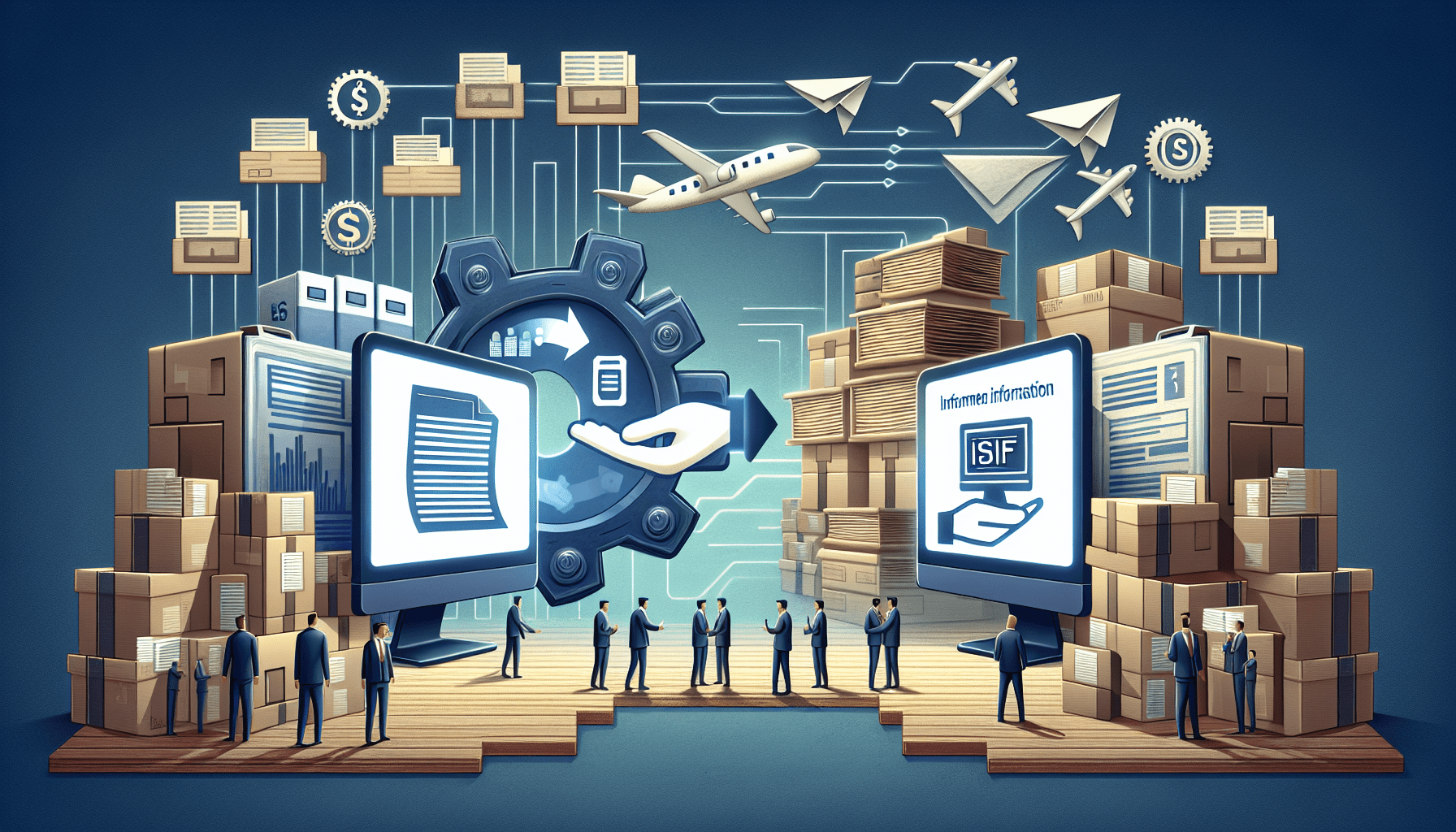
Importer Security Filing (ISF) refers to the requirement imposed by the U.S. Customs and Border Protection (CBP) on importers to provide timely and accurate information about their shipments before they arrive in the United States. The purpose of ISF is to enhance the security of the supply chain by enabling CBP to assess potential risks associated with imported cargo. By collecting relevant data, CBP can identify and address security concerns while facilitating legitimate trade.
Importance of Streamlining the Importer Security Filing Process
Efficient and streamlined ISF processes are vital for importers, customs authorities, and other stakeholders involved in international trade. By automating and optimizing the ISF process, importers can save time and resources, reduce paperwork, and improve compliance with customs regulations. Furthermore, a well-organized and efficient ISF process contributes to enhanced supply chain visibility, risk assessment, and threat detection.
Technological Solutions for Importer Security Filing
Automated Data Entry Systems
Automated data entry systems play a crucial role in streamlining the ISF process. These systems enable importers to extract relevant data from various sources, such as purchase orders and shipping documents, and populate the required fields in the ISF accurately and efficiently. Automated data entry systems not only minimize manual errors but also save time and resources associated with data entry tasks.
Electronic Data Interchange (EDI) Platforms
EDI platforms allow for seamless and standardized data exchange between importers, customs authorities, and other supply chain stakeholders. By utilizing structured data formats, EDI platforms enable real-time data transmission, reducing the need for manual data entry and facilitating the efficient processing of ISF documents. EDI platforms also improve data accuracy and provide a reliable channel for communication and collaboration.
Advanced Analytics and AI
The utilization of advanced analytics and artificial intelligence (AI) technologies in the ISF process can significantly enhance risk assessment and threat detection capabilities. By analyzing historical data, patterns, and trends, advanced analytics can identify potential security risks and help customs authorities allocate resources more efficiently. AI algorithms can also learn from vast amounts of data, facilitating more accurate risk assessments and enabling timely decision-making.
Real-Time Tracking and Monitoring Systems
Real-time tracking and monitoring systems provide importers and customs authorities with visibility into the movement of cargo throughout the supply chain. By integrating tracking devices and sensors into containers, importers can monitor the location, temperature, and other critical parameters of their shipments in real-time. This information enables proactive risk mitigation, reduces the likelihood of security breaches, and enhances overall supply chain efficiency.
Benefits of Technology in Streamlining Importer Security Filing
Reduced Paperwork and Manual Tasks
The adoption of technology in the ISF process offers importers the advantage of reduced paperwork and manual tasks. Automated data entry systems and electronic data interchange platforms eliminate the need for manual data entry, minimizing errors and saving time. By digitizing and streamlining document creation and submission, technology enables importers to focus on core business activities rather than administrative tasks.
Improved Accuracy and Efficiency
Technology-driven solutions significantly improve accuracy and efficiency in the ISF process. Automated systems reduce the risk of human error, ensuring that accurate data is submitted to CBP. EDI platforms enable standardized data exchange, eliminating inconsistencies and improving data quality. These technological advancements enhance the overall efficiency of the ISF process, enabling faster processing and reducing delays at customs checkpoints.
Enhanced Transparency and Visibility
Technology provides importers, customs authorities, and other stakeholders with enhanced visibility into the ISF process. Real-time tracking and monitoring systems enable importers to track their shipments’ progress and promptly address any deviations or security concerns. This increased transparency fosters trust among supply chain partners, improves communication, and reduces delays due to miscommunication or lack of information.
Better Risk Assessment and Threat Detection
Technology enables more effective risk assessment and threat detection in the ISF process. Advanced analytics and AI algorithms analyze vast amounts of data to identify patterns, trends, and anomalies that may indicate potential security risks. By leveraging real-time data from tracking systems and integrating it with historical data, customs authorities can assess risks more accurately and take proactive measures to mitigate threats.
Integration with Customs and Border Protection
Integration of Technology with CBP Systems
To achieve the full potential of technology in streamlining the ISF process, seamless integration with CBP systems is crucial. Integration allows for automated data exchange, eliminating the need for manual data entry or data duplication. Importers can directly transmit ISF data to CBP systems, ensuring accurate and timely submission. This integration streamlines the process, improves data accuracy, and reduces the burden on importers.
Data Sharing and Collaboration
Collaboration and data sharing between importers and CBP are vital for effective risk assessment and threat detection. Technology facilitates secure and efficient data sharing, allowing customs authorities to access necessary information while respecting privacy and confidentiality. Importers can provide CBP with real-time updates on their shipments, enabling CBP to make informed decisions and allocate resources effectively.
Automated Validation and Feedback Mechanisms
Automated validation and feedback mechanisms integrated into the ISF process enhance compliance and increase process efficiency. Technology can automatically validate ISF data, highlighting any inconsistencies or errors before submission. Importers receive real-time feedback, allowing them to rectify mistakes promptly and ensure accurate data submission. This automation reduces the need for manual reviews, improves turnaround time, and enhances the overall integrity of the ISF process.
Ensuring Data Security and Privacy
Adopting Robust Cybersecurity Measures
As technology plays a crucial role in the ISF process, importers must prioritize data security. Adopting robust cybersecurity measures safeguards sensitive information from unauthorized access, data breaches, and cyber threats. Implementing firewalls, encryption, authentication protocols, and regularly updating security systems help protect confidential trade information and ensure data privacy.
Compliance with Data Protection Regulations
Importers must comply with data protection regulations to ensure the privacy and confidentiality of ISF data. Adhering to regulations such as the General Data Protection Regulation (GDPR) and the California Consumer Privacy Act (CCPA) helps importers build trust with their supply chain partners and customers. Compliance ensures that personal and sensitive data is handled lawfully, securely, and transparently during the ISF process.
Confidentiality and Encryption of Sensitive Information
Importers should prioritize the confidentiality and encryption of sensitive information during the ISF process. Encrypting data transmission and storage adds an extra layer of security and mitigates the risk of unauthorized access. Importers should implement secure data transfer protocols and use encryption technologies to protect sensitive information such as supplier details, product specifications, and shipment schedules.
Facilitating Communication and Collaboration
Electronic Communication Channels with Stakeholders
Effective communication and collaboration are essential in streamlining the ISF process. Technology facilitates electronic communication channels, enabling importers, customs authorities, brokers, and other stakeholders to share information and resolve issues efficiently. Email, instant messaging platforms, and web-based collaboration tools enhance communication, foster collaboration, and improve responsiveness.
Real-Time Updates and Notifications
Real-time updates and notifications greatly enhance transparency and efficiency in the ISF process. Importers can receive real-time notifications regarding the status of their ISF submissions, any changes in regulations, or potential delays. Likewise, customs authorities can provide importers with updates on the clearance status of their shipments. This real-time information flow improves communication, enables quick decision-making, and reduces uncertainties in the supply chain.
Streamlined Collaboration Between Importers, Brokers, and CBP
Technology streamlines collaboration between importers, brokers, and CBP, ensuring a smoother ISF process. Electronic data interchange platforms facilitate seamless information exchange between parties, reducing the need for multiple manual communications. By establishing standardized processes and data formats, technology promotes efficient collaboration that enhances data accuracy, reduces delays, and strengthens partnerships.
Streamlining Process through Data Analytics
Use of Big Data Analytics for Risk Assessment
Big data analytics plays a significant role in improving risk assessment capabilities in the ISF process. By analyzing massive datasets, importers and CBP can identify patterns, trends, and anomalies that may indicate potential security risks. Leveraging historical data, including information from previous shipments, enables informed decision-making and effective risk mitigation strategies.
Predictive Analytics for Timely Decision-Making
Predictive analytics helps importers and customs authorities make timely decisions in the ISF process. By using historical data and advanced algorithms, predictive analytics can foresee potential delays, security risks, or compliance issues. Importers can proactively address these concerns, preventing disruptions in the supply chain and ensuring compliance with CBP regulations.
Identifying Patterns and Trends for Process Optimization
Data analytics enables importers to identify patterns and trends within the ISF process, facilitating process optimization. By analyzing data related to document creation, submission, and customs clearance, importers can identify bottlenecks, eliminate inefficiencies, and streamline their operations. This data-driven approach enables continuous improvement, enhancing overall efficiency and reducing costs.
Automation of Documentation and Reporting
Automated Generation of Required Forms and Documents
Automated systems can generate the required forms and documents for the ISF process, saving importers time and effort. By populating the necessary fields with pre-existing data, technology streamlines the document generation process, ensuring accuracy and reducing the likelihood of errors. Additionally, automated systems can also validate the completeness of documents before submission, further enhancing compliance and reducing delays.
Streamlined Reporting to CBP
Technology enables importers to streamline their reporting to CBP, improving compliance and operational efficiency. Automated systems can electronically transmit the required data to CBP, eliminating the need for manual submissions. By integrating with CBP systems, importers can ensure timely and accurate reporting of ISF information, reducing the risk of penalties and delays at the customs clearance stage.
Standardization of Data Formats for Easy Integration
Standardizing data formats is crucial for easy integration between importers’ systems and CBP. By adopting standardized formats for data transmission, such as XML or ANSI X12, importers can seamlessly integrate with the CBP systems. This standardization reduces the complexity of data exchange, ensures interoperability, and enhances data accuracy throughout the ISF process.
Enhancing Compliance and Audit Readiness
Real-Time Compliance Checks and Alerts
Technology enables real-time compliance checks and alerts to ensure importers adhere to CBP regulations. Automated systems can validate ISF data against established rules and regulations in real-time. Importers receive instant notifications, warning them of potential compliance issues. These real-time checks and alerts enable proactive remediation, reducing the risk of penalties and non-compliance.
Automated Audit Trail for Documentation and Record-Keeping
Automated audit trail capabilities provided by technology simplify documentation and record-keeping for importers. By automatically capturing and storing relevant information related to the ISF process, importers can easily track and retrieve historical data when required. Automated audit trails enhance transparency, streamline internal audits, and support compliance with customs regulations.
Proactive Identification of Compliance Gaps
Technology enables proactive identification of compliance gaps in the ISF process. By analyzing data patterns and conducting regular audits, importers can identify potential non-compliance issues before they escalate. This proactive approach allows importers to rectify compliance gaps promptly, reducing the risk of penalties and disruptions to the supply chain.
Future Trends and Innovations
Blockchain Technology for Secure and Transparent Transactions
Blockchain technology shows promise in enhancing the security and transparency of the ISF process. By creating an immutable and decentralized digital ledger, blockchain technology provides a transparent and tamper-resistant platform for recording ISF-related transactions. Importers can have greater confidence in the integrity of their data while ensuring that sensitive information remains secure.
Internet of Things (IoT) Integration for Supply Chain Visibility
The integration of Internet of Things (IoT) devices in the ISF process enables enhanced supply chain visibility. IoT sensors attached to containers can collect real-time data on various parameters, including location, temperature, and humidity. This IoT-generated data provides importers and customs authorities with deeper insights into the movement and condition of goods, facilitating more informed decisions.
Artificial Intelligence (AI) Advancements for Intelligent Data Processing
Continued advancements in artificial intelligence (AI) will revolutionize the ISF process by enabling intelligent data processing. AI algorithms can process vast amounts of data quickly and accurately, identifying patterns, anomalies, and potential risks. As AI technology continues to evolve, importers and customs authorities can leverage its capabilities to further enhance risk assessment, decision-making, and overall process efficiency.
In conclusion, technology plays a crucial role in streamlining the Importer Security Filing (ISF) process. From automated data entry systems to advanced analytics and real-time tracking, various technological solutions offer importers and customs authorities the means to improve efficiency, accuracy, and compliance. Integration with CBP systems, robust data security measures, and enhanced communication further enhance the ISF process. By embracing technological innovations, importers can optimize their supply chain operations and ensure the security and transparency of their international trade activities.