
Importance Of Importer Security Filing In Supply Chain Resilience
In today’s globalized world, where goods are constantly being shipped and transported across borders, ensuring the security and resilience of the supply chain is of utmost importance. One crucial aspect that plays a vital role in this process is the Importer Security Filing (ISF), a mandatory requirement by the US Customs and Border Protection. By requiring importers to submit detailed information about their shipments well in advance, ISF aims to enhance security measures and mitigate potential risks within the supply chain. In this article, we will explore the significance of Importer Security Filing and its impact on supply chain resilience.
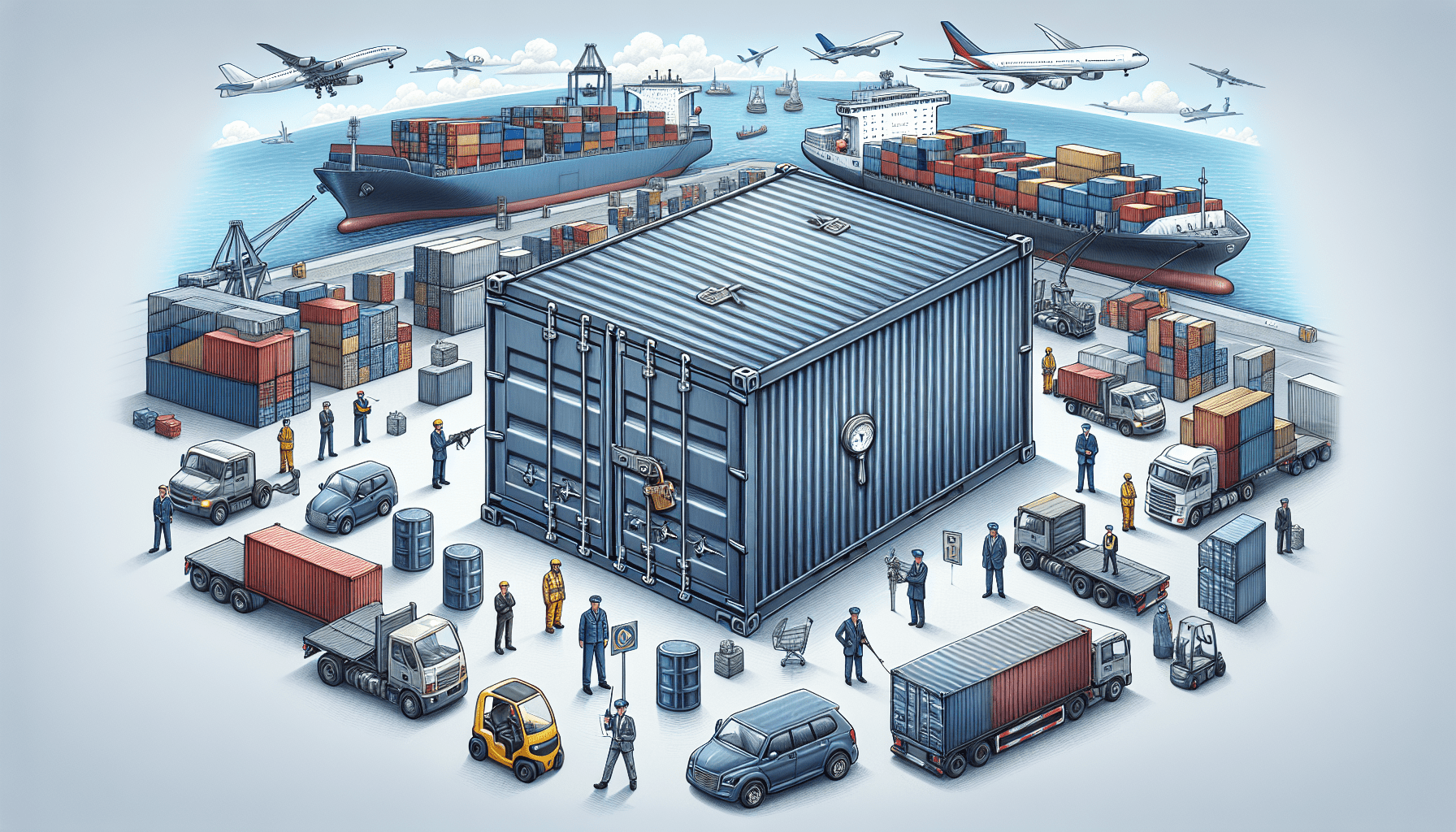
Enhancing Supply Chain Resilience
Understanding the Concept of Supply Chain Resilience
Supply chain resilience refers to the ability of a supply chain to withstand and recover from disruptions, uncertainties, and risks that may arise from various factors such as natural disasters, political unrest, economic fluctuations, and other unforeseen circumstances. It involves the implementation of strategies, processes, and technologies to ensure the continuity and sustainability of the supply chain operations.
Challenges Faced in Maintaining a Resilient Supply Chain
Maintaining a resilient supply chain can be quite challenging, as it requires comprehensive planning, proactive risk management, effective communication, and collaboration between various stakeholders involved in the supply chain network. Some of the common challenges faced in maintaining supply chain resilience include:
-
Uncertainty and Volatility: The global business environment is highly dynamic and prone to unexpected disruptions. Fluctuations in demand, political changes, trade policies, and natural disasters can significantly impact the supply chain operations.
-
Globalization and Complexity: With the expansion of global trade and supply chain networks, supply chains have become more complex and interconnected. Managing multiple suppliers, logistics partners, and regulatory compliance across different countries can pose challenges in ensuring the resilience of the supply chain.
-
Risk Identification and Assessment: Identifying potential risks, vulnerabilities, and disruptions in the supply chain can be difficult. Supply chain professionals need to conduct thorough risk assessments and develop mitigation strategies to address these risks effectively.
-
Information and Data Management: Managing vast amounts of data and information related to supply chain operations can be overwhelming. Ensuring the availability, accuracy, and timeliness of data is crucial for effective decision-making and risk management.
Introduction to Importer Security Filing (ISF)
Definition and Purpose of Importer Security Filing
Importer Security Filing (ISF), also known as 10+2 filing, is a mandatory requirement enforced by U.S. Customs and Border Protection (CBP) for importers to provide advance information about their shipments before they arrive in the United States. The purpose of ISF is to enhance border security and facilitate risk assessment by allowing CBP to identify potential threats and take necessary preventive measures.
Legal Requirements and Regulations Related to ISF
Under the ISF rule, importers are required to submit specific information about their shipments to CBP 24 hours prior to the cargo being loaded onto a vessel destined to the United States. The information includes details about the importer, the manufacturer/supplier, the buyer/consignee, the carrier, and the contents of the shipment, among others. Failure to comply with the ISF requirements can result in penalties, fines, and delays in the clearance process.
Importance of ISF in Supply Chain Resilience
Ensuring Timely and Accurate Flow of Information
ISF plays a crucial role in ensuring the timely and accurate flow of information across the supply chain. By providing advance information about the shipments, importers enable customs authorities and other stakeholders to prepare and plan for the arrival and clearance of goods. This helps in minimizing delays and disruptions, allowing the supply chain to operate efficiently.
Enhancing Visibility and Transparency in the Supply Chain
ISF contributes to enhancing visibility and transparency in the supply chain by providing detailed information about the parties involved, the contents of the shipments, and the routes of transportation. This visibility enables stakeholders to proactively identify potential bottlenecks, track the movement of goods, and make informed decisions to mitigate risks and disruptions.
Identifying Potential Risks and Taking Preventive Measures
By requiring importers to provide detailed information about their shipments, ISF enables customs authorities to assess the potential risks associated with each shipment. This allows for targeted inspections, identification of potential security threats, and implementation of preventive measures. Identifying risks early on helps in minimizing the impact of disruptions, ensuring the smooth flow of goods, and maintaining the resilience of the supply chain.
Improving Risk Management
Evaluating Potential Risks and Vulnerabilities in the Supply Chain
Effective risk management is essential for maintaining a resilient supply chain. With the help of ISF, importers can evaluate potential risks and vulnerabilities in their supply chain. By analyzing information about the origin of goods, the route of transportation, and the parties involved, importers can identify potential areas of concern and implement appropriate risk mitigation strategies.
Minimizing Delays and Disruptions through Effective Risk Management
By proactively managing risks through ISF, importers can minimize the occurrence of delays and disruptions in the supply chain. Early identification of potential risks allows importers to take preventive measures such as adjusting transportation routes, selecting reliable suppliers, and implementing additional security measures. These proactive measures contribute to the overall resilience of the supply chain and ensure the timely delivery of goods.
Compliance with Customs Regulations
Avoiding Penalties and Fines
Compliance with customs regulations, including the ISF requirements, is crucial for importers to avoid penalties, fines, and delays in the clearance process. Non-compliance can result in significant financial losses and damage to the importer’s reputation. By ensuring timely submission of accurate ISF information, importers can demonstrate their commitment to compliance and maintain a positive relationship with customs authorities.
Maintaining Good Relationships with Customs Authorities
Complying with customs regulations and fulfilling the ISF requirements helps importers establish and maintain good relationships with customs authorities. Building a strong partnership based on trust and cooperation allows importers to receive better support and assistance during the clearance process. This contributes to smoother operations, reduced inspections, and faster release of goods, enhancing the overall resilience of the supply chain.
Streamlining Supply Chain Processes
Efficient Data Management and Integration
ISF promotes efficient data management and integration across the supply chain. By requiring importers to submit comprehensive information about their shipments, ISF facilitates the integration of this data with other supply chain systems and processes. This integration improves data accuracy, reduces manual data entry errors, and streamlines information flow, leading to enhanced operational efficiency and resilience.
Reducing Administrative Burden and Costs
Complying with ISF requirements can help importers reduce the administrative burden associated with the clearance process. By submitting advance information, importers provide customs authorities with the necessary documentation and details, reducing the need for additional paperwork and manual interventions. This automation and streamlining of administrative processes result in cost savings, improved productivity, and increased supply chain resilience.
Ensuring Safety and Security
Preventing Unauthorized Access and Counterfeit Goods
ISF plays a crucial role in ensuring the safety and security of the supply chain by preventing unauthorized access to goods and the entry of counterfeit products. By requiring importers to provide detailed information about the parties involved and the contents of the shipments, ISF enables customs authorities to identify potential security threats and take necessary actions, such as targeted inspections and additional security measures, to protect the integrity of the supply chain.
Enhancing Supply Chain Security Measures
ISF contributes to enhancing the overall security measures implemented in the supply chain. By providing advance information, importers enable customs authorities to assess the security risks associated with each shipment and implement appropriate security measures. This includes measures such as enhanced screening, identification of high-risk shipments, and collaboration with other security agencies to ensure the safety and security of the supply chain.
Enhancing Communication and Collaboration
Improving Collaboration between Importers, Carriers, and Customs Authorities
ISF promotes improved collaboration and communication between importers, carriers, and customs authorities. By submitting advance information, importers enable carriers and customs authorities to plan and prepare for the arrival and clearance of goods. This collaboration helps to minimize delays, resolve potential issues in advance, and ensure a smooth flow of goods through the supply chain.
Facilitating Effective Exchange of Information
ISF facilitates the effective exchange of information between importers, carriers, and customs authorities. By providing detailed information about the shipments, importers enable customs authorities and other stakeholders to make informed decisions, allocate resources effectively, and respond promptly to any potential disruptions. This exchange of information enhances the overall resilience of the supply chain by ensuring that all parties involved are well-informed and prepared to address any challenges that may arise.
Achieving Supply Chain Resilience in the Face of Disruptions
Mitigating the Impact of Disruptions on the Supply Chain
Supply chain disruptions, such as natural disasters, geopolitical conflicts, and economic crises, can have a significant impact on the continuity and efficiency of supply chain operations. By implementing ISF and engaging in proactive risk management, importers can minimize the impact of disruptions on the supply chain. Timely information, effective collaboration, and contingency planning enabled by ISF help importers identify alternative routes, adjust production schedules, and secure alternative suppliers, ensuring the continuity of the supply chain during challenging times.
Building a Resilient Supply Chain through ISF
ISF plays a critical role in building a resilient supply chain. By promoting timely and accurate information flow, enhancing risk management, ensuring compliance with customs regulations, streamlining processes, ensuring safety and security, facilitating communication and collaboration, and mitigating the impact of disruptions, ISF contributes to the overall resilience and sustainability of the supply chain.
Future Trends and Technologies
Advancements in Automation and Artificial Intelligence
The future of ISF and supply chain resilience lies in the advancements in automation and artificial intelligence (AI). These technologies can enable importers to streamline ISF processes, improve data accuracy, and enhance risk management capabilities. Automated data collection and analysis, real-time monitoring, and predictive analytics powered by AI can help importers identify potential risks, anticipate disruptions, and take proactive measures to protect the supply chain.
Utilizing Blockchain for Enhanced Supply Chain Security
Blockchain technology holds immense potential for enhancing supply chain security and resilience. By leveraging the decentralized and immutable nature of blockchain, importers can create transparent and tamper-proof records of their shipments. This enables stakeholders to track the movement of goods, verify the authenticity of products, and ensure compliance with customs regulations. Utilizing blockchain technology in conjunction with ISF can further strengthen supply chain resilience by improving data integrity, visibility, and trust among all parties involved.
In conclusion, importer security filing (ISF) plays a vital role in enhancing supply chain resilience. By ensuring the timely and accurate flow of information, enhancing risk management practices, ensuring compliance with customs regulations, streamlining processes, ensuring safety and security, facilitating communication and collaboration, and mitigating the impact of disruptions, ISF contributes to the overall resilience and sustainability of the supply chain. Looking towards the future, advancements in automation, artificial intelligence, and blockchain technology will further enhance the effectiveness of ISF and enable importers to build even more resilient and secure supply chains.