
Challenges Faced By Importers In Complying With Importer Security Filings.
Importing goods can be a complex process, and when it comes to complying with Importer Security Filings, importers often find themselves facing a whole new set of challenges. From navigating the intricacies of filing requirements to staying up-to-date with changing regulations, importers are constantly striving to meet the stringent standards set by Customs and Border Protection. In this article, we will explore the key hurdles faced by importers in complying with Importer Security Filings and discuss potential solutions to help streamline the process.
Understanding Importer Security Filings
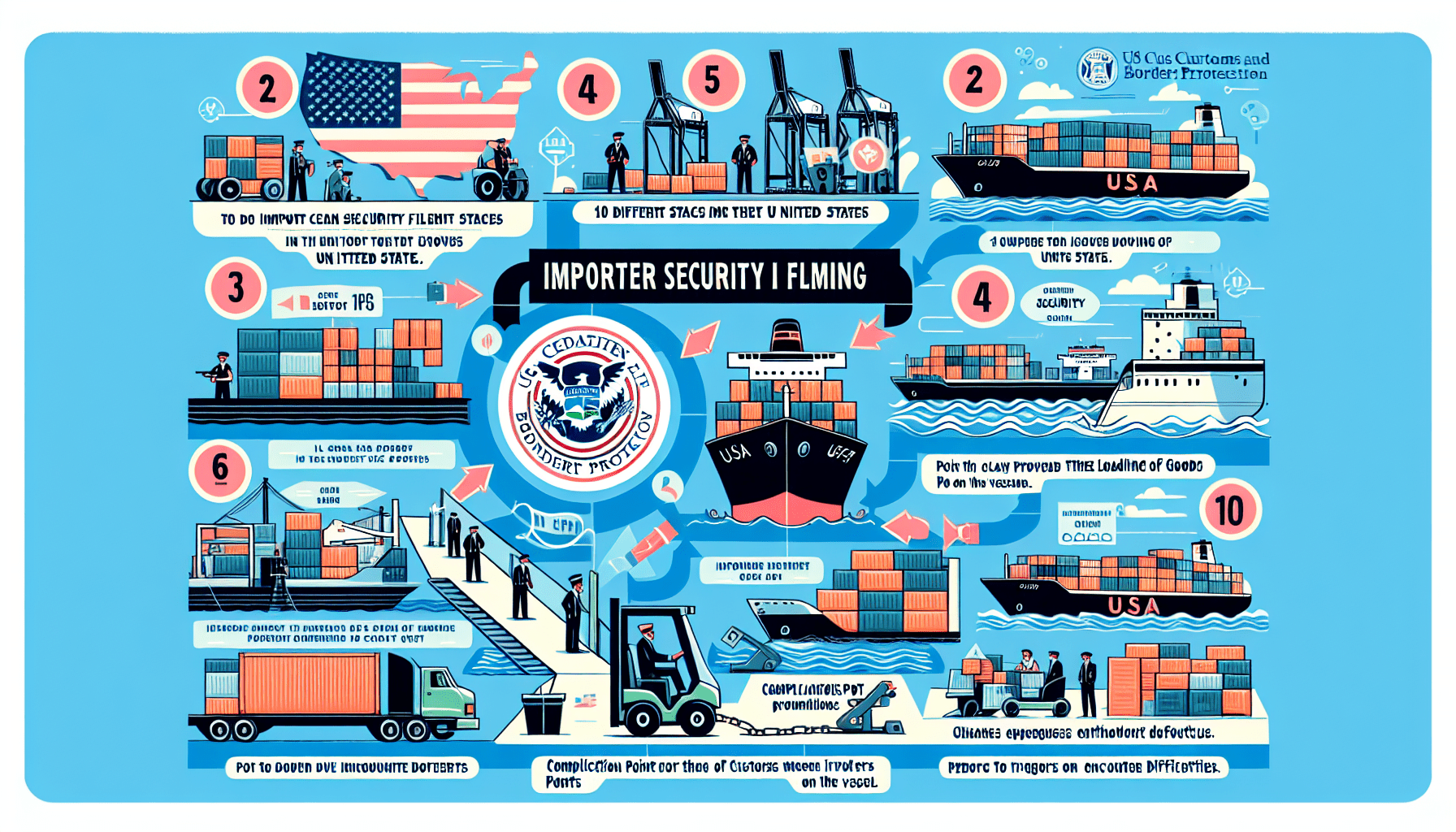
Importing goods into a country can be a complex process that involves various regulations, documentation, and compliance requirements. One of the key components of this process is the Importer Security Filing (ISF), also known as the 10+2 rule. The ISF aims to enhance the security of the supply chain by requiring importers to provide information about the goods being imported before they arrive in the country.
Importance of Importer Security Filings
Importer Security Filings play a crucial role in safeguarding national security and facilitating international trade. By requiring importers to provide detailed information about the goods being imported, it allows the authorities to assess potential security risks and take necessary actions to mitigate them. This not only protects the country but also promotes a safe and secure trading environment for importers and exporters alike.
Overview of Importer Security Filings
The Importer Security Filing consists of ten data elements that importers are required to submit to the U.S. Customs and Border Protection (CBP) at least 24 hours before the cargo is loaded onto the vessel bound for the United States. These data elements include information about the importer, seller, buyer, manufacturer, consignee, country of origin, and other key details about the shipment. Additionally, two more data elements are required to be submitted by the ocean carrier relating to the vessel and container.
Complexity of Import Regulations
Complying with import regulations can be a daunting task for importers. The ever-evolving nature of these regulations poses a significant challenge. Import regulations are subject to frequent changes and updates, requiring importers to stay constantly updated and adapt their processes accordingly.
Ever-Evolving Regulations
Import regulations can change due to a variety of factors such as changes in national security concerns, trade agreements, or shifts in government policies. Importers must stay abreast of these changes to ensure compliance and avoid penalties.
Multiple Government Agencies
Another complexity is the involvement of multiple government agencies in the import process. Each agency has its own set of rules and requirements, which can sometimes overlap or contradict each other. Importers must navigate through these various agencies and ensure compliance with all applicable rules and regulations.
Lack of Consistency in Regulations
Import regulations can vary greatly from country to country, and even within different regions of the same country. This lack of consistency poses a challenge for importers, as they need to understand the specific regulations applicable to each region they do business with. This can be further complicated by language barriers and cultural differences.
Timely and Accurate Information
Providing timely and accurate information is crucial for importers to comply with Importer Security Filings. Failure to provide complete and accurate information can result in delays, penalties, and even loss of business opportunities.
Gathering and Submitting Accurate Data
Importers must ensure that they gather and verify the necessary data for their Importer Security Filings. This includes information about the goods, the parties involved in the transaction, and any other relevant details. The accuracy of this data is vital, as any discrepancies can lead to delays and additional scrutiny from the authorities.
Timely Transmission of Information
Importers must also ensure that they submit the Importer Security Filings within the prescribed timeframe. Late submission can result in penalties and delays in the clearance process. Timely transmission of information allows the authorities to review and process the filings in a timely manner, ensuring a smooth flow of goods through the supply chain.
Language and Documentation Challenges
Language barriers and the complexity of documentation can pose significant challenges for importers in complying with Importer Security Filings. Effective communication and accurate translation of documents are vital to ensure compliance.
Language Barriers
International trade involves dealing with parties from different countries, each with their own languages and cultural nuances. Importers may encounter challenges in understanding and communicating with foreign counterparts. Language barriers can lead to misunderstandings and misinterpretations of regulatory requirements, resulting in non-compliance.
Translations and Certifications
Importers often need to translate various documents, such as invoices, bills of lading, and certificates of origin, into the official language of the importing country. These translations must be accurate and certified to be accepted by the authorities. Obtaining certified translations can be time-consuming and expensive, adding to the complexity and cost of compliance.
Document Verification
Importers must also verify the authenticity and accuracy of the documents they receive from foreign suppliers and manufacturers. This can be challenging, especially when dealing with unfamiliar languages, legal systems, and cultural practices. Failure to verify documents can result in penalties and delays in the clearance process.
Classification and Value Determination
Proper classification and valuation of goods are crucial elements of Importer Security Filings. Importers must accurately determine the tariff classification and value of the goods to ensure compliance with customs regulations.
Import Tariff Classification
Each product imported into a country is assigned a specific tariff classification code. Importers must accurately classify their goods using the Harmonized System (HS) codes, which are used globally for categorizing products. Misclassification can lead to incorrect duty payments and potential non-compliance.
Proper Valuation of Goods
Importers must also determine the proper value of the goods for customs purposes. The customs value is usually based on the transaction value, which includes the price paid or payable for the goods, as well as any additional costs incurred during the importation process. Accurate valuation is essential to avoid under or overpayment of customs duties and ensure compliance with import regulations.
Supply Chain Complexity
Managing a complex global supply chain is another challenge faced by importers in complying with Importer Security Filings. Importers must effectively track goods and manage multiple suppliers to ensure timely and secure delivery.
Managing Multiple Suppliers
Importers often rely on various suppliers located in different countries. Coordinating and communicating with multiple suppliers can be a complex and time-consuming task. Importers must ensure that all suppliers provide the required information for the Importer Security Filing and comply with the necessary regulatory requirements.
Tracking Goods in Transit
Tracking the movement of goods from the supplier to the final destination is crucial for importers. Importer Security Filings require accurate information about the transportation route, including the vessel or carrier used, the expected arrival time, and the ports of loading and discharge. Importers must have effective tracking systems in place to monitor and update this information in real-time.
Customs-Trade Partnership Against Terrorism (C-TPAT)
Importers can mitigate some of the supply chain complexities by participating in programs such as the Customs-Trade Partnership Against Terrorism (C-TPAT). C-TPAT is a voluntary program designed to strengthen supply chain security and facilitate trade. Importers who participate in C-TPAT receive certain benefits, such as reduced examinations and expedited clearance, by implementing security measures and adhering to best practices.
Risk of Non-Compliance and Penalties
Non-compliance with Importer Security Filings can have serious consequences for importers. Failure to comply with the regulations can result in fines, penalties, delays in clearance, and even the loss of business opportunities.
Fines and Penalties
Importers who fail to comply with Importer Security Filings can face significant fines and penalties. The penalties can vary depending on the severity of the non-compliance and can range from monetary fines to seizure of the goods. Repeat offenders may face more severe penalties, including the suspension or revocation of their customs privileges.
Delays in Clearance
Non-compliance can lead to delays in the clearance process, as additional documentation and scrutiny may be required by the customs authorities. These delays can result in increased costs, missed delivery deadlines, and damage to business relationships.
Loss of Business Opportunities
Failure to comply with Importer Security Filings can also result in the loss of business opportunities. Importers who are unable to meet the regulatory requirements may lose contracts, customers, and market share to competitors who are compliant. Compliance with Importer Security Filings is not only a legal obligation but also a crucial factor in building trust and credibility with trading partners.
Data Security and Privacy Concerns
Importers deal with sensitive information during the import process, including details about the goods, the parties involved, and the financial transactions. Ensuring data security and privacy is a critical challenge for importers in complying with Importer Security Filings.
Sensitive Information
Importer Security Filings require importers to provide detailed information about the goods being imported, including details about the manufacturer, buyer, and seller. This information can be sensitive and may need to be protected to prevent unauthorized access, theft, or misuse.
Cybersecurity Threats
Importers face the constant risk of cybersecurity threats and data breaches. Cybercriminals may attempt to gain access to importers’ systems to steal sensitive information or disrupt the supply chain. Importers must implement robust cybersecurity measures, such as firewalls, encryption, and employee training, to protect their data from unauthorized access.
Lack of Expertise and Resources
Complying with Importer Security Filings requires expertise, knowledge, and resources. Importers, especially small businesses, may face challenges in acquiring the necessary expertise and allocating the resources to ensure compliance.
Need for Compliance Professionals
Importers may lack the expertise and knowledge of import regulations, Importer Security Filings, and customs procedures. Hiring or training compliance professionals can help importers navigate through the complex regulatory landscape and ensure compliance with the necessary requirements.
Training and Education
Continuous training and education are crucial for importers to stay updated with the latest regulations and best practices. Importers need to invest in training programs to enhance their knowledge of Importer Security Filings and keep their staff up to date with the evolving regulatory environment.
Limited Resources for Small Businesses
Importers, especially small businesses, may face resource constraints. Compliance with Importer Security Filings requires investments in technology, systems, and personnel. Importers must carefully evaluate their available resources and consider cost-effective solutions to ensure compliance without compromising their bottom line.
Continuous Monitoring and Adaptation
Compliance with Importer Security Filings is an ongoing process that requires continuous monitoring, adaptation, and remedial measures.
Staying updated with Regulatory Changes
Import regulations and Importer Security Filings are subject to frequent changes. Importers must stay updated with the latest regulatory developments and ensure that their processes and systems are aligned with the new requirements. Regular monitoring of regulatory updates, consultations with experts, and participation in trade associations can help importers stay ahead of the curve.
Monitoring Internal Compliance
Importers must also monitor their internal compliance with Importer Security Filings. This includes conducting regular audits of their processes, systems, and documentation to identify any non-compliance issues. Implementing robust internal controls and compliance management systems can help importers detect and rectify any discrepancies or gaps in their compliance practices.
Implementing Remedial Measures
When non-compliance issues are identified, importers must take immediate remedial measures to address the root causes and prevent recurrence. This may involve updating processes, retraining staff, or seeking expert guidance. Importers should maintain a culture of continuous improvement and strive for excellence in their compliance practices.
In conclusion, importers face several challenges in complying with Import Security Filings. The ever-evolving import regulations, multiple government agencies, language and documentation challenges, classification and value determination complexities, supply chain complexities, risks of non-compliance and penalties, data security and privacy concerns, lack of expertise and resources, and the need for continuous monitoring and adaptation all contribute to the complexity of complying with Import Security Filings. Importers must proactively address these challenges by investing in the necessary resources, expertise, and technology to ensure compliance and maintain a secure and efficient supply chain.