
How Importer Security Filing Enhances Visibility In The Supply Chain
In the fast-paced world of supply chain management, ensuring visibility throughout the entire process is crucial for success. One way to enhance this visibility is through the implementation of Importer Security Filing, a requirement by U.S. Customs and Border Protection. By filing necessary information before goods are shipped, this process helps to monitor and track shipments more effectively, ultimately improving efficiency and reducing risks in the supply chain.
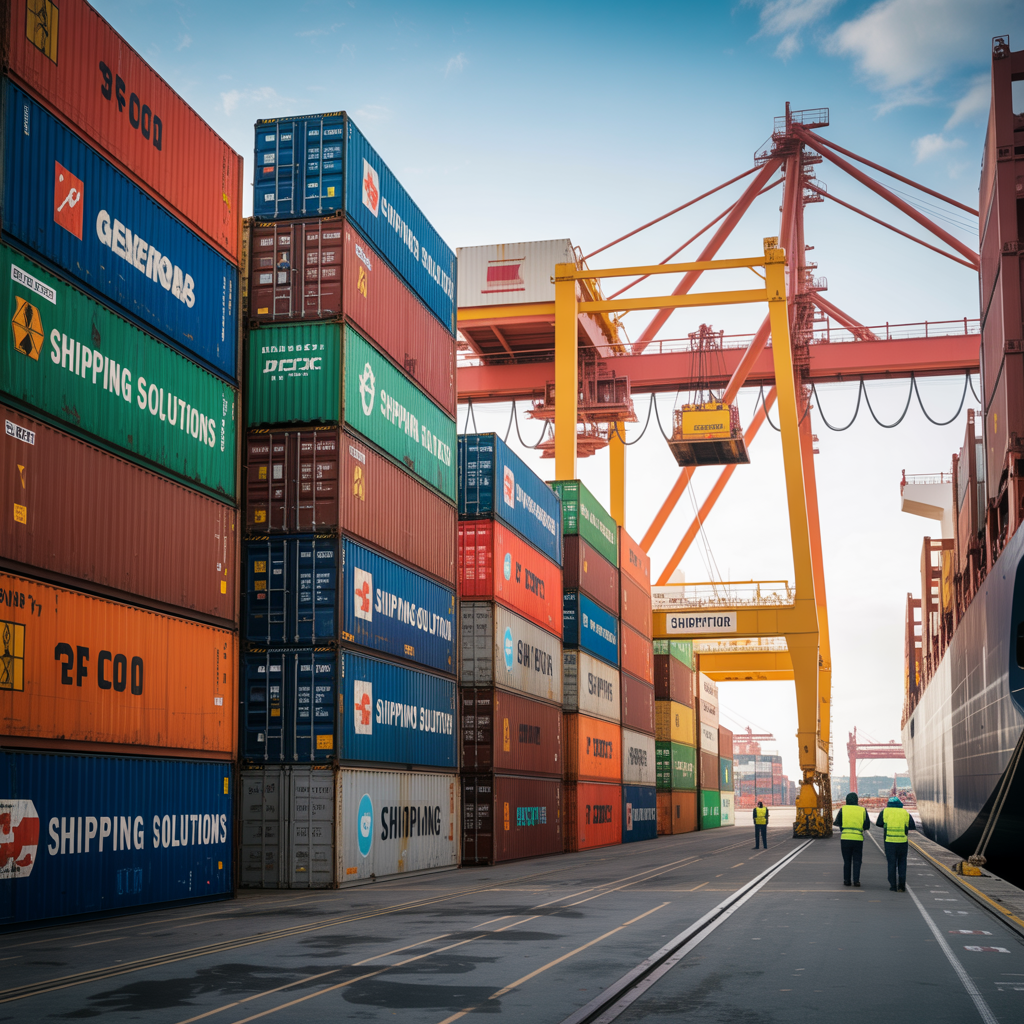
What is Importer Security Filing
Importer Security Filing (ISF) is a program implemented by U.S. Customs and Border Protection (CBP) to enhance supply chain visibility and ensure the security of imported goods. It requires importers to provide specific information about their shipments before they arrive in the United States.
Definition of Importer Security Filing
Importer Security Filing, also known as 10+2 Rule, refers to the submission of specific details and documentation by importers to CBP, enabling them to identify any potential security risks associated with the imported goods.
Purpose of Importer Security Filing
The primary purpose of Importer Security Filing is to strengthen the security of the international supply chain and enable CBP to assess and mitigate any potential risks posed by incoming shipments. By providing advanced information, importers can help ensure smooth and secure customs clearance while promoting transparent and secure trade practices.
Key Components of Importer Security Filing
10+2 Rule
The 10+2 Rule requires importers to submit ten data elements and carriers to provide two additional data elements to CBP before the shipment arrives in the United States. These data elements include information about the importer, consignee, seller, buyer, container stuffing location, and shipping vessel details. The rule aims to improve cargo screening, risk assessment, and targeting capabilities.
Timing and Submission Requirements
Under the Importer Security Filing program, importers must electronically submit the required information at least 24 hours before the cargo is loaded onto the vessel bound for the United States. Failure to comply with the submission time frame may result in penalties or shipment delays.
Information Required in the Filing
The information required in the Importer Security Filing includes the bill of lading or booking confirmation number, the names and addresses of the parties involved in the shipping process, a description of the goods, and the Harmonized System (HS) code. This data allows CBP to assess the security risk associated with the shipment more effectively.
Benefits of Importer Security Filing
Enhanced Supply Chain Visibility
By implementing Importer Security Filing, importers can gain enhanced visibility into their supply chain operations. This increased visibility enables importers to track their shipments in real-time, providing valuable insights into the whereabouts and status of the goods throughout the transportation process.
Improved Risk Management
Importer Security Filing enhances risk management by enabling importers and CBP to identify high-risk shipments more efficiently. By analyzing the provided data, potential security threats can be detected at an early stage, allowing importers to implement proactive security measures to mitigate risks.
Streamlined Customs Clearance Process
One of the significant benefits of Importer Security Filing is the streamlined customs clearance process it offers. By submitting the required information in advance, importers can reduce manual documentation and paperwork, resulting in faster processing times and minimized customs delays and penalties.
Enhanced Supply Chain Visibility
Real-time Tracking of Import Shipments
With Importer Security Filing, importers can enjoy real-time tracking of their import shipments. This visibility allows them to stay updated on the status and location of their goods, ensuring that they are on track for timely delivery.
Improved Collaboration and Communication
By having access to accurate and timely information through Importer Security Filing, importers can establish improved collaboration and communication with their supply chain partners. This enables smoother coordination and more efficient operations across the entire supply chain.
Identification of Bottlenecks and Delays
Importer Security Filing provides importers with the ability to identify bottlenecks and potential delays in their supply chain. By closely monitoring the movement of goods and having access to real-time data, importers can take proactive measures to address any issues before they escalate and impact the timely delivery of goods.
Improved Risk Management
Identification of High-Risk Shipments
With the implementation of Importer Security Filing, importers can more effectively identify high-risk shipments. By analyzing the submitted data, importers can determine whether additional security measures or inspections are necessary to ensure the safety and security of the cargo.
Early Detection of Potential Security Threats
By obtaining detailed information about the imported goods through Importer Security Filing, importers and CBP can detect potential security threats at an early stage. This allows for timely intervention and the implementation of appropriate security measures to prevent any risks from materializing.
Implementation of Proactive Security Measures
With increased visibility and access to advanced information, importers can take a proactive approach to security. By leveraging the data provided through Importer Security Filing, importers can evaluate potential risks, identify vulnerabilities, and implement proactive security measures to prevent any security incidents or breaches.
Streamlined Customs Clearance Process
Reduced Manual Documentation and Paperwork
Importer Security Filing eliminates the need for redundant manual documentation and paperwork. By submitting the necessary information electronically, importers can streamline their customs clearance process and reduce the administrative burden associated with traditional paper-based documentation.
Faster Processing Time
By providing CBP with the required information in advance, the customs clearance process can be expedited. Importer Security Filing ensures that all necessary details are available to CBP, enabling them to conduct the necessary security checks without delays and facilitating quicker cargo release.
Minimized Customs Delays and Penalties
With accurate and timely information provided through Importer Security Filing, importers can minimize the risk of customs delays and penalties. By ensuring compliance with the filing requirements, importers can avoid unnecessary complications and costly penalties, further streamlining the customs clearance process.
Challenges and Limitations of Importer Security Filing
Complexity and Compliance Requirements
Implementing Importer Security Filing can present challenges due to its complexity and stringent compliance requirements. Importers need to familiarize themselves with the filing process, understand the necessary data elements, and ensure that the information is provided accurately and on time.
Data Accuracy and Timeliness
Importers must ensure the accuracy and timeliness of the information provided in the Importer Security Filing. Any errors or delays in submitting the required data can result in shipment delays, penalties, or even security risks if inaccurate information is provided.
Costs and Resources
Importer Security Filing can require additional resources and investment for importers. Implementing the necessary systems and technologies to facilitate electronic filing and compliance can involve upfront costs, ongoing maintenance, and the allocation of resources for training and education.
Best Practices for Implementing Importer Security Filing
Establish a Compliance Team
To ensure successful implementation and compliance with Importer Security Filing requirements, it is advisable for importers to establish a dedicated compliance team. This team can oversee the filing process, monitor changes in regulations, and ensure that all necessary data and documentation are accurately submitted on time.
Utilize Technology and Automation
Leveraging technology and automation is crucial for efficient implementation of Importer Security Filing. Importers can utilize software solutions and systems that facilitate electronic filing, data validation, and integration with other supply chain technologies.
Maintain Clear Documentation and Record-Keeping
Maintaining clear and organized documentation and record-keeping practices is essential. Importers should keep records of all Importer Security Filings, including the submitted data, responses from CBP, and any supporting documentation. This documentation can serve as a valuable resource for internal audits, compliance reviews, and resolving any potential discrepancies or issues.
Future Trends in Importer Security Filing
Integration with Other Supply Chain Technologies
Importer Security Filing is expected to integrate with other emerging technologies in the supply chain industry. Integration with technologies such as blockchain, Internet of Things (IoT), and artificial intelligence (AI) can further enhance transparency, security, and efficiency in global trade operations.
Data Analytics and Predictive Insights
As Importer Security Filing evolves, there is a growing emphasis on data analytics and predictive insights. By analyzing the data collected through Importer Security Filing, importers can gain valuable insights into their supply chain operations, identify patterns, and make informed decisions to optimize their processes.
Enhanced Customs-Trade Partnership Against Terrorism (C-TPAT)
Importer Security Filing is closely tied to the Customs-Trade Partnership Against Terrorism (C-TPAT) program. As the two initiatives continue to intersect, there will be increased collaboration between importers and CBP to enhance supply chain security and promote mutually beneficial trade practices.
Conclusion
Importer Security Filing plays a vital role in ensuring the visibility and security of the global supply chain. By providing advanced information, importers can enhance collaboration across the supply chain, mitigate security risks, and streamline the customs clearance process. Although there are challenges associated with implementation, establishing best practices, utilizing technology, and maintaining clear documentation can help importers navigate the complexities of Importer Security Filing successfully. As the program evolves and integrates with new technologies, the future of Importer Security Filing holds even greater promise for enhanced supply chain visibility and security.