
Transform Your Supply Chain Against Security Threats Now!
In today’s interconnected world, ensuring the security of the global supply chain has become paramount. With the increasing threats of terrorism and illegal activities, it is crucial for importers to take proactive measures to address security concerns. One such measure is the implementation of Importer Security Filing (ISF), a mandatory requirement imposed by U.S. Customs and Border Protection (CBP). This article explores the importance of ISF in mitigating security threats and highlights its role in safeguarding the integrity of the global supply chain.
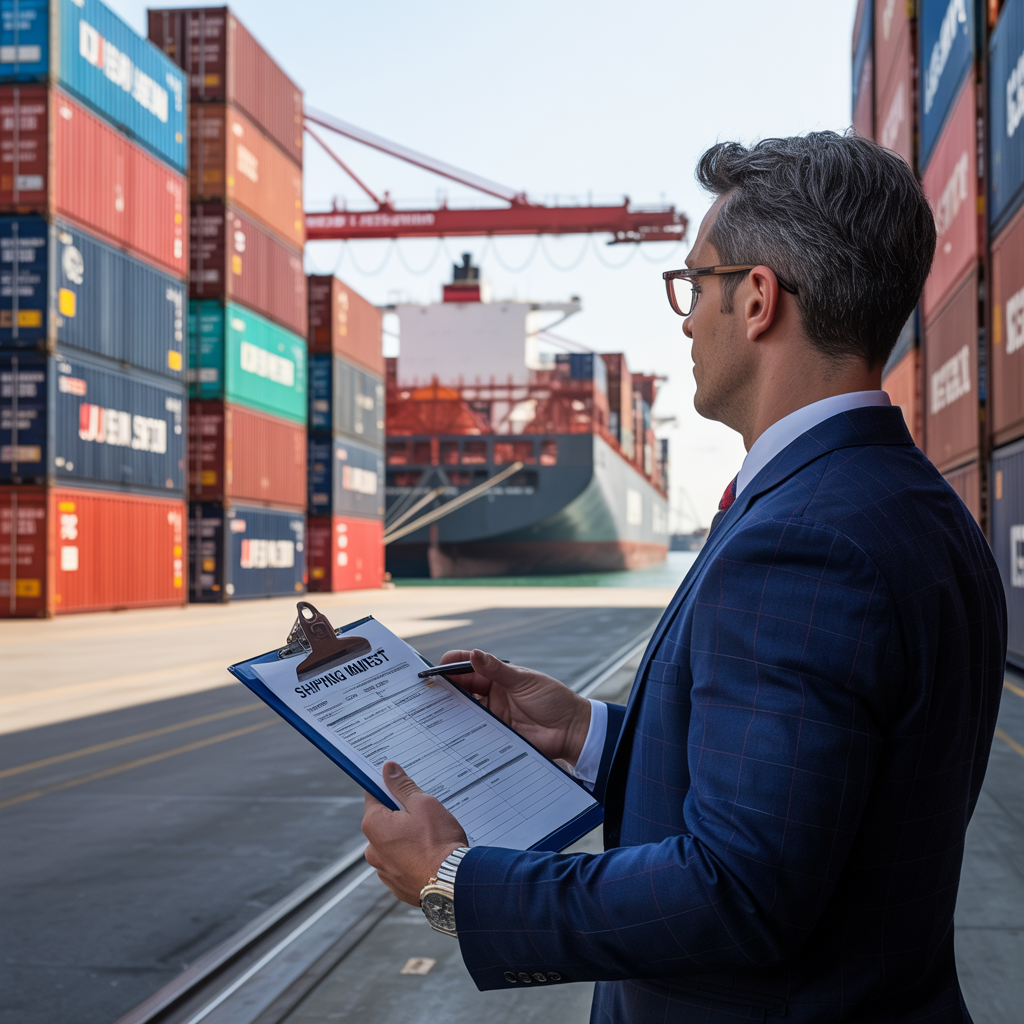
Overview of Importer Security Filing
Importer Security Filing (ISF), also known as 10+2 or the Importer Data Element, is a program implemented by U.S. Customs and Border Protection (CBP) to enhance security measures in the global supply chain. The ISF requires importers to provide detailed information about their cargo to CBP before it is shipped to the United States. This information is used to assess potential security risks associated with the import and to prevent any illicit activities or threats to national security.
Definition and Purpose of Importer Security Filing
The Importer Security Filing is a requirement for importers to submit 10 specific pieces of information to CBP at least 24 hours prior to the shipment’s loading onto a vessel bound for the United States. This data includes details about the cargo, its packaging, the parties involved in the transaction, and any other relevant information to ensure a thorough risk assessment.
The purpose of ISF is to provide CBP with advance information about the cargo entering the country. This allows CBP to identify and analyze any potential security risks and take appropriate action to mitigate those risks. By implementing ISF, CBP aims to strengthen the security of the global supply chain and prevent illegal activities such as terrorism, smuggling, and intellectual property infringement.
Role of Importer Security Filing in Addressing Security Threats
Importer Security Filing plays a crucial role in addressing security threats in the global supply chain. In an era where security risks have become increasingly complex and diverse, ISF provides a systematic approach to identify and mitigate potential threats. By requiring importers to submit detailed information about their cargo, ISF enables CBP to perform risk assessments and implement targeted security measures.
By implementing the Importer Security Filing program, CBP can identify high-risk shipments and allocate resources accordingly. This helps in preventing security threats before they reach the United States and ensures the safety and security of the supply chain. ISF serves as an effective tool for CBP to enhance border security and protect national interests.
Background and History of Importer Security Filing
The Importer Security Filing program was introduced as part of the Security and Accountability for Every (SAFE) Port Act of 2006. The SAFE Port Act was enacted to address the growing concern over security threats in the global supply chain and to improve the effectiveness of CBP’s cargo security programs.
The ISF program was initially implemented in 2009 and has undergone several modifications and refinements since then. The program has evolved to incorporate feedback from industry stakeholders and to align with changing security needs. Over the years, ISF has become an integral part of CBP’s efforts to enhance security measures in the global supply chain.
Importance of Addressing Security Threats in Global Supply Chain
Impact of Security Threats on Global Trade
Security threats in the global supply chain have a significant impact on global trade and the economy. Incidents such as terrorist attacks, smuggling of illegal goods, and intellectual property infringement disrupt the smooth flow of goods and services across borders. Such disruptions can lead to delays in the delivery of goods, increased costs, and loss of business.
Disruptions and Losses Caused by Security Breaches
Security breaches in the global supply chain can result in significant disruptions and losses for businesses. Cargo theft, counterfeit products, and trade-based money laundering not only pose a risk to national security but also result in financial losses for both importers and exporters. These activities undermine the trust and integrity of the supply chain and negatively impact the overall efficiency of global trade.
Need for Enhanced Security Measures in the Supply Chain
Given the increasing complexity and sophistication of security threats, there is a pressing need for enhanced security measures in the global supply chain. Traditional security measures such as physical inspections and document verification are no longer sufficient to address the evolving nature of threats. To ensure the integrity and security of the supply chain, innovative and proactive approaches are required.
Implementing programs like Importer Security Filing is crucial to detect and deter security threats. By leveraging advanced technologies, collaboration with industry stakeholders, and data-driven risk assessments, importers and customs authorities can work together to enhance the security of the global supply chain.
Understanding Security Threats in the Global Supply Chain
Types of Security Threats in the Supply Chain
Security threats in the global supply chain are multifaceted and can manifest in various forms. Some of the most common threats include terrorism and criminal activities, counterfeit products, intellectual property infringement, cybersecurity risks, and logistical and operational vulnerabilities.
Terrorism and Criminal Activities
Terrorism and criminal activities pose a significant threat to the security of the global supply chain. From smuggling illegal goods, weapons, and drugs to financing terrorist activities, criminals and terrorist organizations exploit vulnerabilities in the supply chain for their nefarious purposes. It is crucial to identify and prevent such activities to ensure the safety and security of the supply chain.
Counterfeit Products and Intellectual Property Infringement
Counterfeit products and intellectual property infringement not only impact legitimate businesses but also pose risks to consumers. Counterfeit goods range from luxury items to pharmaceuticals, and they can cause harm to individuals, damage brand reputation, and result in significant financial losses. It is vital to address these threats to protect consumers and uphold intellectual property rights.
Cybersecurity Risks
As the supply chain becomes increasingly digitized, cybersecurity risks are becoming more prevalent. Cybercriminals target information systems, including transportation management systems, logistics platforms, and data repositories, to disrupt operations, steal sensitive information, or cause financial harm. Implementing robust cybersecurity measures is essential to safeguard critical data and mitigate potential threats.
Logistical and Operational Vulnerabilities
Logistical and operational vulnerabilities in the supply chain can create opportunities for security breaches. Inadequate security measures at ports, warehouses, and transportation hubs can result in cargo theft, unauthorized access, and other security incidents. Identifying and addressing these vulnerabilities is crucial to ensure the integrity and security of the entire supply chain.
The Role of Importer Security Filing in Addressing Security Threats
Overview of Importer Security Filing Requirements
The Importer Security Filing program requires importers to submit specific information to CBP before the cargo is loaded onto a vessel bound for the United States. This information includes details about the importer, consignee, supplier, packaging, and other relevant data. By providing this information in advance, importers enable CBP to conduct a thorough risk assessment and enhance the security of the supply chain.
Timelines and Documentation for Importer Security Filing
Importers are required to submit the Importer Security Filing at least 24 hours prior to the vessel’s departure from the foreign port. Failure to comply with the timeline or provide accurate and complete information can result in penalties and delays in cargo clearance. Importers must ensure that they have access to the necessary documentation and systems to comply with ISF requirements.
Collaboration with Customs Authorities and Other Stakeholders
The success of Importer Security Filing relies on collaborative efforts between importers, customs authorities, and other stakeholders in the supply chain. Importers must actively engage with customs authorities to understand the requirements and share information in a timely and accurate manner. Collaboration and information sharing enable a proactive approach to address security threats and enhance the overall security of the supply chain.
Risk Assessment and Mitigation Strategies
Importer Security Filing enables CBP to conduct risk assessments based on the information provided by importers. CBP analyzes the data to identify potential security risks and takes appropriate action to mitigate those risks. Importers can also use the risk assessment findings to enhance their own security measures and processes, reducing their vulnerability to security threats.
Benefits of Successful Implementation of Importer Security Filing
Successful implementation of Importer Security Filing yields several benefits for both importers and customs authorities. Importers can benefit from reduced cargo delays, enhanced supply chain visibility, and improved compliance with customs regulations. Customs authorities can leverage the information provided by importers to identify and mitigate potential security threats, ensuring the safety and security of the global supply chain.
Challenges and Limitations in Implementing Importer Security Filing
Compliance Challenges for Importers
Complying with Importer Security Filing requirements can present challenges for importers, especially those who are not familiar with the program or lack the necessary resources and expertise. Importers must invest in training and education to understand the requirements and ensure compliance. Additionally, importers must have robust systems and processes in place to gather and submit accurate and complete data in a timely manner.
Technical and Technological Limitations
Implementing Importer Security Filing may pose technical and technological limitations for importers. Some importers, especially smaller businesses, may not have access to sophisticated data management systems or the technological infrastructure required to comply with ISF requirements. Overcoming these limitations may require investments in technology and expertise, which can be resource-intensive.
Costs and Resource Allocation
Implementing Importer Security Filing can result in additional costs for importers. This includes investments in technology, personnel training, and resources required to gather and submit the necessary data. Importers must allocate resources to ensure compliance with ISF requirements while balancing their overall operational costs. Finding a cost-effective solution that meets regulatory requirements can be a challenge, particularly for smaller importers.
International Coordination and Standardization
The global supply chain involves multiple stakeholders across different countries. Coordinating import processes and aligning data requirements across international borders can be a complex task. Lack of standardization in data formats, terminology, and requirements can create challenges for importers who operate in multiple countries. Harmonizing international standards and fostering collaboration between customs authorities can help overcome these challenges.
Best Practices for Effective Importer Security Filing
Establishing a Comprehensive Security Program
Importers should establish a comprehensive security program that encompasses not only the requirements of Importer Security Filing but also broader security measures. This includes conducting risk assessments, implementing physical security measures, and establishing protocols for handling potential security threats. A robust security program ensures that importers are prepared to address security risks effectively.
Investing in Advanced Security Technologies
Leveraging advanced security technologies can enhance the effectiveness of Importer Security Filing. Importers should consider investing in technologies such as smart seals, tamper-evident packaging, and tracking devices to secure their cargo and detect potential security breaches. Technologies like cargo screening systems, biometric authentication, and video surveillance can also enhance security measures at ports and warehouses.
Enhancing Supply Chain Visibility and Transparency
Visibility and transparency in the supply chain are key to detecting and addressing potential security threats. Importers should adopt technologies and systems that provide real-time visibility throughout the supply chain. This includes tracking the movement of goods, monitoring inventory levels, and ensuring transparency in supplier relationships. Increased visibility enables importers to identify anomalies and potential security risks promptly.
Training and Education for Supply Chain Personnel
Importers should invest in training and education for their supply chain personnel to ensure compliance with Importer Security Filing requirements. Personnel involved in data gathering and submission should be trained on the importance of accurate and timely data, as well as the implications of non-compliance. Regular training and refresher programs help maintain a high level of awareness and understanding among the supply chain workforce.
Regular Audits and Continuous Improvement
Importers should conduct regular audits of their import processes and data management systems to identify areas for improvement. Audits help identify any non-compliance issues and provide an opportunity to enhance data accuracy and completeness. Importers should implement a culture of continuous improvement, taking feedback from customs authorities, industry associations, and other stakeholders to refine their import processes.
Collaboration and Partnerships in Addressing Security Threats
Cooperation between Customs Authorities and Industry
Close cooperation and collaboration between customs authorities and industry stakeholders are key to addressing security threats in the global supply chain. Importers should actively engage with customs authorities to understand their requirements, provide feedback, and share any relevant information related to security threats. Regular dialogue and coordination help establish trust and enhance the effectiveness of security measures.
Information Sharing and Intelligence Exchange
Effective information sharing and intelligence exchange contribute to the identification and mitigation of security threats. Importers should actively participate in information-sharing initiatives facilitated by customs authorities and industry associations. Sharing relevant data and intelligence helps in proactive risk assessment and enables timely action to prevent security breaches.
Public-Private Partnerships
Public-private partnerships play a crucial role in addressing security threats in the global supply chain. By collaborating with customs authorities, industry associations, and other relevant stakeholders, importers can contribute to the development of effective security strategies and policies. Public-private partnerships foster communication, coordination, and joint initiatives to enhance the security of the supply chain.
Industry Associations and Initiatives
Industry associations and initiatives provide a platform for importers to collaborate and share best practices. Participation in industry associations allows importers to stay updated on the latest developments, standards, and regulations related to import security. Industry initiatives promote the sharing of knowledge, expertise, and resources to address security threats collectively.
Importance of Data Analytics and Risk Management
Utilizing Data Analytics for Risk Assessment
Data analytics plays a critical role in identifying and assessing security risks in the global supply chain. By analyzing vast amounts of data, importers can identify patterns, anomalies, and potential security threats. Implementing data analytics tools and techniques enables importers to perform risk assessments based on real-time, accurate, and comprehensive information.
Real-time Monitoring and Predictive Analytics
Real-time monitoring of the supply chain, coupled with predictive analytics, helps importers identify and address potential security threats before they materialize. By leveraging real-time data and predictive modeling, importers can detect anomalies and potential security breaches, allowing them to take proactive measures to mitigate risks and enhance the security of their cargo.
Integration of Risk Management into Supply Chain Processes
Risk management should be integrated into importers’ supply chain processes to address security threats effectively. Importers should develop risk management strategies and protocols that encompass the identification, assessment, and mitigation of security risks. By incorporating risk management at every stage of the supply chain, importers ensure the security and integrity of their operations.
Continuous Evaluation and Improvement
Importers should continuously evaluate their risk management strategies and processes to identify areas for improvement. Regular assessments and evaluations help importers stay ahead of emerging security threats and adapt their processes accordingly. By continuously evaluating and enhancing risk management measures, importers can maintain a high level of security in the global supply chain.
Emerging Trends and Technologies in Supply Chain Security
Blockchain Technology for Enhanced Transparency
Blockchain technology offers enhanced transparency and traceability in the supply chain. By using distributed ledgers, blockchain enables importers to track the movement of goods, verify the authenticity of products, and ensure the integrity of the supply chain. Implementing blockchain technology provides an immutable record of transactions and enhances security measures.
Internet of Things (IoT) and Sensor-based Tracking
The Internet of Things (IoT) and sensor-based tracking enable importers to monitor and track their cargo in real-time. IoT devices and sensors can provide information about the location, temperature, humidity, and other conditions of the cargo throughout the supply chain. This real-time tracking enhances security measures and enables importers to respond promptly to any potential security threats.
Artificial Intelligence and Machine Learning
Artificial Intelligence (AI) and Machine Learning (ML) offer advanced capabilities for security threat detection and risk assessment. AI and ML algorithms can analyze large volumes of data to identify patterns, predict potential security threats, and automate decision-making processes. Importers can leverage AI and ML to enhance their security measures, improve risk assessments, and strengthen the overall security of the supply chain.
Biometric Identification and Authentication
Biometric identification and authentication provide an additional layer of security in the global supply chain. Importers can use biometric technologies such as fingerprint scanning, facial recognition, or iris scanning to verify the identity of individuals involved in the import process. Biometric authentication enhances security measures and minimizes the risk of unauthorized access or identity fraud.
Conclusion
Addressing security threats in the global supply chain is vital for importers and customs authorities. Implementing Importer Security Filing and other security measures is essential to enhance the integrity of the supply chain. By understanding different types of security threats and applying best practices, importers can reduce risks and improve the security of global trade. Collaboration among importers, customs authorities, industry associations, and other stakeholders is crucial for building a robust supply chain. The future of importer security filing looks promising, with ongoing advancements in technology and greater focus on risk management and data analytics. By prioritizing security and adopting effective measures, importers can safeguard their businesses, ensure compliance, and support global trade security.