
What Are The Consequences Of Non-compliance With Importer Security Filing Regulations?
So, you’ve decided to try your hand at importing goods. Exciting stuff! But before you jump headfirst into the world of international trade, there’s something important you need to know: Importer Security Filing (ISF) regulations. These regulations exist to enhance the security of imported goods and ensure the safety of our borders. But what happens if you fail to comply with these regulations? Well, my friend, that’s what we’re here to explore. In this article, we’ll take a closer look at the consequences of non-compliance with Importer Security Filing regulations and why it’s not a risk you want to take lightly. So buckle up, because we’re about to navigate some choppy waters.
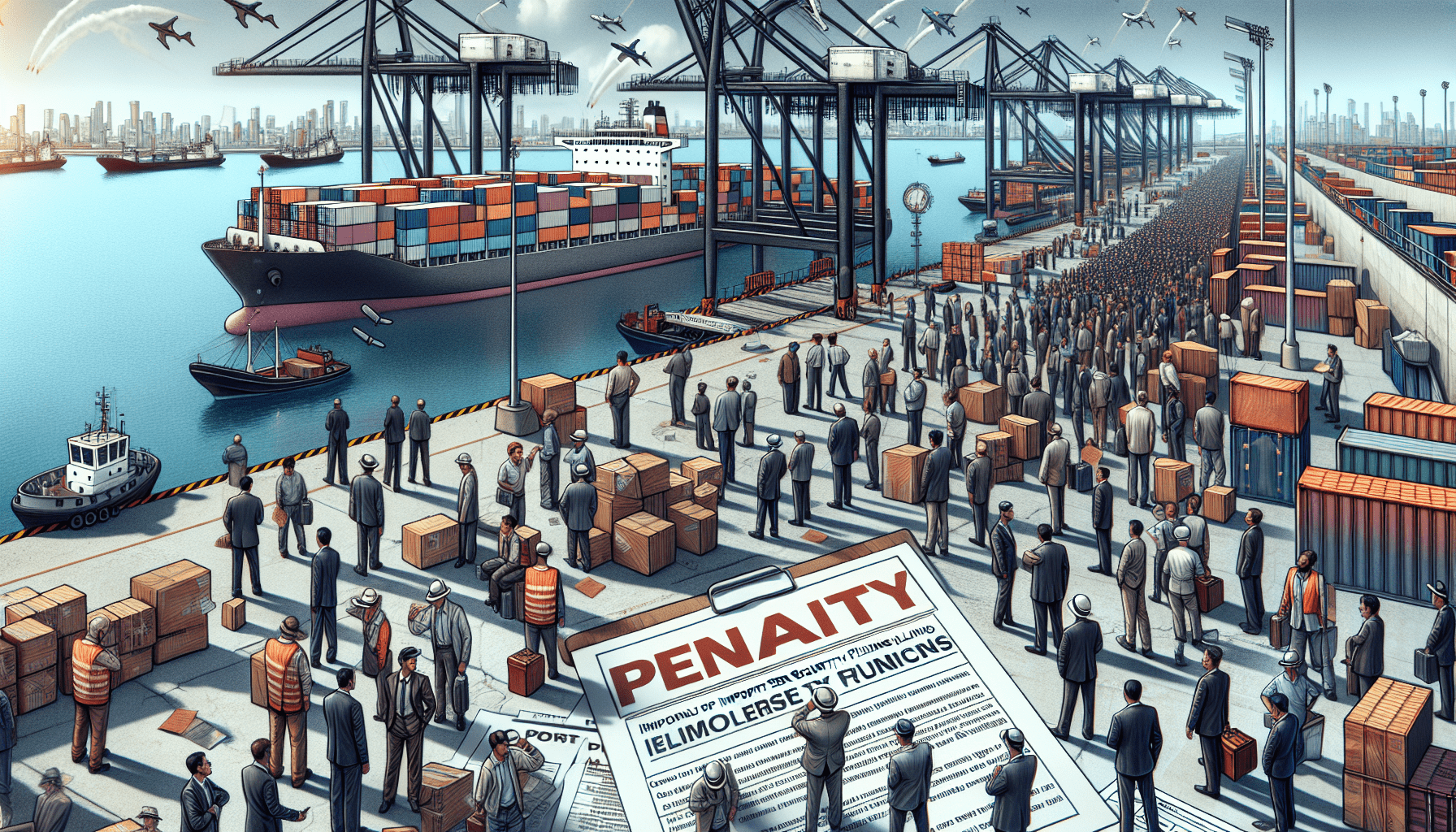
Financial Penalties
Non-compliance with Importer Security Filing (ISF) regulations can result in significant financial penalties. Customs authorities may impose monetary fines on importers who fail to comply with the required filing deadlines or provide inaccurate or incomplete information. These fines can add up quickly, leading to substantial costs for the non-compliant importer. Moreover, delays and disruptions caused by non-compliance may also result in additional costs, such as storage fees, demurrage charges, and increased transportation expenses. These financial consequences can have a detrimental impact on a company’s bottom line and overall profitability.
Supply Chain Disruptions
Failure to comply with ISF regulations can lead to disruptions in the supply chain. Non-compliance may result in delays in cargo clearance as customs authorities may choose to inspect shipments more thoroughly or prioritize compliant shipments. This can create bottlenecks in the supply chain, causing delays in getting the goods to their intended destination. Additionally, non-compliant importers are at a higher risk of cargo inspections, which can further prolong the clearance process and disrupt the smooth flow of goods. In some cases, non-compliant shipments may even be subjected to cargo holds or rejections, causing further disruptions and delays.
Legal Consequences
Non-compliance with ISF regulations can have legal consequences for importers. Customs authorities have the right to take legal action against non-compliant importers, which can result in fines, penalties, and even criminal charges in severe cases. Moreover, affected parties who suffer financial or other damages due to non-compliance may file lawsuits against the non-compliant importer. These lawsuits can lead to costly legal battles, potentially resulting in hefty financial settlements or damages awarded against the company. Furthermore, non-compliance can damage a business’s reputation, leading to a loss of trust and credibility in the market.
Increased Scrutiny
Importers who fail to comply with ISF regulations often face increased scrutiny on their future shipments. Customs authorities may subject non-compliant importers to additional inspections and audits to ensure compliance. This increased scrutiny can slow down the clearance process and add time and resources to importers’ operations. Additionally, non-compliant importers may be required to provide more detailed documentation for their shipments, further increasing administrative burdens. Moreover, customs may impose heightened security measures on non-compliant importers, adding an extra layer of complexity and potential delays to the shipping process.
Loss of Trade Privileges
Non-compliance with ISF regulations can result in the suspension or revocation of trade privileges. Customs authorities may take disciplinary action against non-compliant importers, which can include the loss of benefits provided under preferential trade agreements or exclusion from trusted trader programs. This loss of trade privileges can have a substantial negative impact on an importer’s business, limiting access to certain markets, and making it more difficult to compete on a global scale. It can also result in higher import duties and tariffs, further increasing the cost of doing business.
Customer Dissatisfaction
Non-compliance with ISF regulations can lead to customer dissatisfaction. Delays in cargo clearance due to non-compliance can result in delayed delivery to customers, leading to frustrated and disappointed customers. This can have detrimental effects on a company’s reputation and customer relationships. In some cases, non-compliant importers may be unable to fulfill customer orders due to disruptions in the supply chain. This can lead to lost sales, revenue, and potentially the loss of valuable customers who may turn to competitors for their needs. Importers must prioritize compliance to maintain customer trust and loyalty.
Operational Inefficiencies
Non-compliance with ISF regulations can introduce operational inefficiencies into a company’s import process. Importers may require extra time and resources to ensure compliance, including training employees, implementing new systems or processes, and conducting thorough checks on documentation. These additional compliance-related tasks can complicate the coordination of logistics, potentially leading to delays and disruptions in normal business operations. The increased administrative burden and disruption of normal workflows can slow down productivity and increase costs for the non-compliant importer.
Reputational Damage
Non-compliance with ISF regulations can result in significant reputational damage for importers. A company’s brand image and credibility can be negatively impacted by a failure to comply with import regulations. Customers and stakeholders may lose trust in the company’s ability to operate responsibly and in accordance with laws and regulations. This loss of credibility can make it challenging for the company to attract new business partners or secure future contracts. Building a strong, trustworthy reputation takes time and effort, and non-compliance can quickly tarnish years of hard work.
Increased Customs Scrutiny
Non-compliant importers are subject to increased customs scrutiny. Customs authorities may impose a higher risk of audits and inspections on non-compliant import shipments. This added scrutiny can increase the likelihood of experiencing customs delays and prolong the clearance process. Moreover, non-compliant importers may be required to fulfill additional administrative requirements and provide more detailed documentation for their shipments. These increased demands can further strain resources and add complexity to the import process, potentially resulting in frustration and increased costs for the non-compliant importer.
Loss of Licensing and Certifications
Failure to comply with ISF regulations can lead to the loss of important licenses and certifications. Customs authorities may opt to revoke an importer’s import license, effectively barring them from conducting import activities. This loss of license can have severe consequences for the non-compliant importer, as it may result in the inability to continue operating within the import industry. Additionally, certifications and accreditations that an importer may have earned could be canceled or invalidated due to non-compliance. Losing these credentials can limit opportunities for the importer and adversely affect their standing within the industry.