
The Role Of The Importer Security Filing In Preventing Smuggling And Illegal Trade
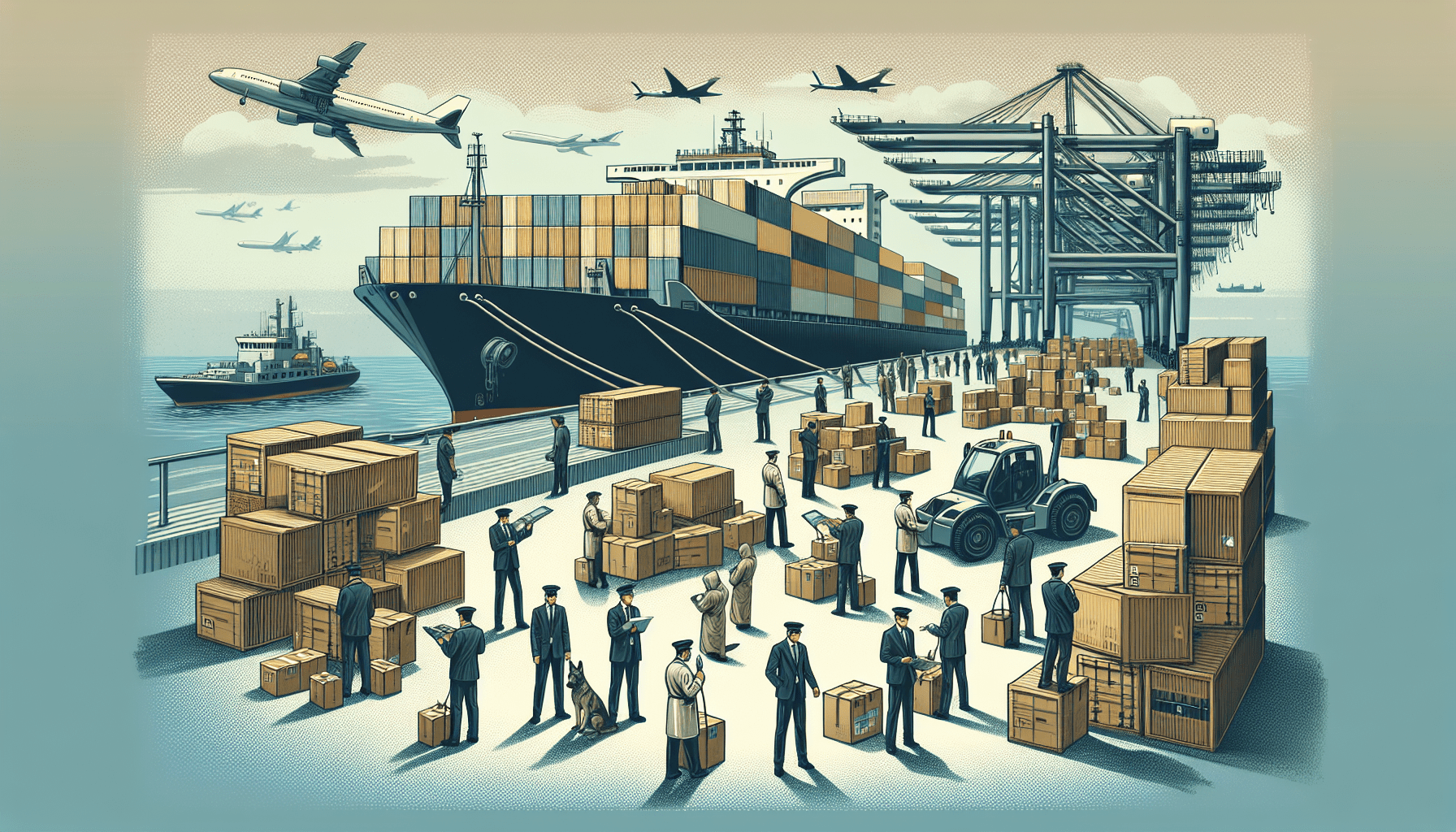
Imagine a bustling international port, where goods and cargo from all corners of the globe are constantly flowing. In this fast-paced world of trade, it’s crucial to have measures in place to ensure that only legitimate and legally compliant shipments are entering a country. That’s where the Importer Security Filing comes into play. This important document plays a vital role in preventing smuggling and illegal trade by requiring importers to provide detailed information about their shipments prior to their arrival. By taking this proactive approach, authorities are better equipped to identify any potential risks and take necessary actions to safeguard national security and the economy.
What is the Importer Security Filing?
Definition of the Importer Security Filing
The Importer Security Filing, also known as ISF or 10+2, is a program implemented by U.S. Customs and Border Protection (CBP) aimed at enhancing supply chain security for imports into the United States. It requires importers or their authorized agents to provide specific information about the goods being imported, as well as the parties involved in the transaction, prior to vessel loading.
Purpose of the Importer Security Filing
The primary purpose of the Importer Security Filing is to strengthen border security and prevent smuggling and illegal trade. By collecting comprehensive and timely information about inbound shipments, CBP can conduct effective risk assessments and target high-risk cargo. This helps in preventing the entry of illicit goods, protecting national security, and ensuring public safety.
Smuggling and Illegal Trade: A Growing Concern
Overview of smuggling and illegal trade
Smuggling and illegal trade refer to the illicit movement of goods across national borders, circumventing legal and regulatory controls. It involves various activities such as the smuggling of contraband goods, counterfeit products, narcotics, weapons, and even humans. This underground economy poses a serious threat to global trade and stability.
Impact on the global economy
Smuggling and illegal trade have significant negative impacts on the global economy. It undermines legal commerce, distorts markets, and hinders economic growth. It deprives governments of tax revenues, robs legitimate businesses of income, and perpetuates criminal networks. Furthermore, illegal trade can damage industries by flooding markets with inferior and counterfeit goods, harming brand reputation and consumer confidence.
Risks and consequences associated with smuggling and illegal trade
The risks and consequences associated with smuggling and illegal trade are far-reaching. They include funding criminal activities, such as terrorism and organized crime, endangering public safety, compromising national security, and fueling corruption. Moreover, the influx of counterfeit and substandard goods poses significant health and safety risks to consumers, leading to potential injuries, loss of life, and economic losses for both individuals and businesses.
Importance of Preventing Smuggling and Illegal Trade
Protecting national security and public safety
Preventing smuggling and illegal trade is crucial for safeguarding national security and public safety. The movement of illicit goods can provide resources to fund terrorism, drug cartels, and other criminal organizations. By detecting and intercepting such goods, authorities can disrupt these networks and mitigate potential threats to domestic security and citizens.
Preserving domestic industries and businesses
Smuggling and illegal trade pose a direct threat to domestic industries and businesses. Illicit goods often flood the market at lower prices, undercutting legitimate businesses and causing financial losses. By preventing the entry of smuggled or counterfeit products, governments can protect domestic industries, preserve jobs, and ensure fair competition in the marketplace.
Preventing unfair competition
Smuggling and illegal trade create an unfair competitive advantage for those engaged in illegal activities. By evading taxes, tariffs, and regulatory requirements, illegal traders can offer their goods at lower prices, distorting competition and marginalizing lawful businesses. Preventing smuggling helps level the playing field, ensuring that legitimate businesses can compete fairly and thrive in the global marketplace.
Minimizing the flow of illicit goods
By implementing strict measures to prevent smuggling and illegal trade, governments can minimize the flow of illicit goods across borders. This reduces the availability of counterfeit and substandard products in the market, protecting consumers from potential harm and preserving the integrity of supply chains. It also creates a deterrent effect, dissuading criminals from engaging in these activities and encouraging compliance with legal trade channels.
The Role of the Importer Security Filing
Mandated information and data elements
The Importer Security Filing requires importers or their agents to provide specific information about the imported goods and supply chain parties involved. This includes the shipper, consignee, manufacturer, seller, and other relevant details. Additionally, importers must disclose information such as the container stuffing location, the consolidator, and the related bill of lading number.
Timing and submission requirements
Importers are required to submit the Importer Security Filing no later than 24 hours prior to the cargo being loaded onto a vessel destined for the United States. This ensures that CBP has sufficient time to review and assess the information provided, identify potential risks, and take appropriate actions to mitigate those risks.
Enhancing supply chain security
The Importer Security Filing plays a vital role in enhancing supply chain security by enabling CBP to identify and target high-risk shipments. With access to timely and accurate information about the goods and the parties involved, CBP can effectively analyze and assess potential threats. This enables proactive measures, such as physical inspections, additional documentation requests, or heightened scrutiny of specific shipments, aimed at preventing the entry of illicit goods and enhancing overall supply chain security.
Improving risk assessment and cargo targeting
By collecting detailed information about inbound shipments, the Importer Security Filing program facilitates better risk assessment and cargo targeting. It allows CBP to prioritize its resources and focus on high-risk cargo that may pose a threat to national security or public safety. This targeted approach enhances efficiency, reduces unnecessary inspections on low-risk shipments, and expedites legitimate trade while maintaining stringent security standards.
Compliance with the Importer Security Filing
Responsibilities of importers
Importers have the primary responsibility for ensuring compliance with the Importer Security Filing requirements. They must gather the necessary information and submit it accurately and in a timely manner. Importers also need to maintain records related to the Importer Security Filing for the specified period, as required by CBP.
Penalties for non-compliance
Non-compliance with the Importer Security Filing can result in penalties imposed by CBP. These penalties may include fines, delays in cargo release, increased scrutiny of future shipments, and potential reputational damage. To avoid these consequences, importers must understand and adhere to the requirements of the program and ensure that they provide complete and accurate information in a timely manner.
Implementation challenges and concerns
The implementation of the Importer Security Filing program posed initial challenges and concerns for importers and the industry. The requirement to provide such detailed information within a strict timeframe necessitated adjustments in supply chain processes and increased coordination among various stakeholders. However, over time, importers and their agents have adapted by leveraging technology, improving data management systems, and streamlining their operations to meet the compliance requirements efficiently.
Collaboration and Information Sharing
Importance of collaboration between government agencies and the private sector
Effective collaboration between government agencies, such as customs administrations, border control, and law enforcement agencies, and the private sector is crucial in preventing smuggling and illegal trade. By sharing expertise, intelligence, and resources, both parties can enhance their capabilities for risk assessment, detection, and enforcement. This partnership ensures a coordinated approach and maximizes the effectiveness of efforts to secure the global supply chain.
Sharing intelligence and data
The sharing of intelligence and data is vital for combating smuggling and illegal trade. Government agencies and the private sector need to exchange information on emerging threats, trends, and modus operandi of criminal networks. This collaboration enables quick identification of potential risks, development of targeted enforcement strategies, and timely responses to evolving challenges.
Strengthening enforcement and detection capabilities
Collaboration in the exchange of intelligence and data strengthens enforcement and detection capabilities. By leveraging the expertise and resources of both government agencies and the private sector, authorities can enhance their ability to identify high-risk shipments, profile smuggling networks, and target illicit activities effectively. This leads to improved detection rates, facilitates the dismantling of criminal networks, and acts as a deterrent for future attempts to engage in smuggling and illegal trade.
Technological Solutions and Innovations
Automation and electronic data interchange
Automation and electronic data interchange play a crucial role in streamlining the Importer Security Filing process and improving overall supply chain security. By electronically transmitting information, importers can expedite the submission of required data, minimize errors, and enhance data accuracy. Automation also enables more efficient risk assessment and cargo targeting, reducing delays and increasing the efficiency of inspections.
Blockchain technology for supply chain transparency
The application of blockchain technology can contribute to enhancing supply chain transparency and reducing opportunities for smuggling and illegal trade. By creating an immutable and transparent digital ledger, blockchain enables the traceability of goods throughout the supply chain. This helps in verifying the authenticity of products, ensuring compliance with regulations, and detecting any unauthorized or fraudulent activities.
Artificial intelligence and machine learning for risk assessment
Artificial intelligence (AI) and machine learning algorithms can play a vital role in risk assessment for cargo targeting. By analyzing large volumes of data, AI systems can identify patterns, anomalies, and potential risks. This enables faster and more accurate identification of high-risk shipments, allowing authorities to allocate resources more efficiently and interdict illicit goods effectively.
International Cooperation and Harmonization
Importance of international cooperation
Preventing smuggling and illegal trade requires international cooperation and collaboration. Given the global nature of these activities, no single country can effectively address the issue in isolation. By sharing best practices, intelligence, and resources, countries can strengthen their collective ability to detect and deter illicit trade, disrupt criminal networks, and ensure the integrity of international supply chains.
Standardization and harmonization of security measures
Standardization and harmonization of security measures are essential for effective international cooperation in combating smuggling and illegal trade. By aligning regulations, procedures, and data requirements, countries can reduce unnecessary barriers to trade, enhance information sharing, and facilitate joint enforcement efforts. This streamlines processes for legitimate traders and improves the overall efficiency of supply chain security.
Global initiatives to combat smuggling and illegal trade
Various global initiatives have been established to combat smuggling and illegal trade. Organizations such as the World Customs Organization (WCO), Interpol, and the International Maritime Organization (IMO) work together with member countries to develop international standards, guidelines, and initiatives. Through these collaborative efforts, countries can enhance their capacity to prevent and detect illicit trade and promote secure and efficient international trade.
Evaluation and Future Enhancements
Assessing the effectiveness of the Importer Security Filing
Regular evaluations and assessments are crucial to determine the effectiveness of the Importer Security Filing program in preventing smuggling and illegal trade. By analyzing data, performance metrics, and feedback from stakeholders, authorities can identify areas of improvement, make necessary adjustments, and ensure the program’s continued relevance and effectiveness.
Identifying areas for improvement
Continuous improvement is essential in addressing evolving smuggling and illegal trade threats. Through ongoing evaluation, stakeholders can identify areas for improvement in the Importer Security Filing process, data collection, risk assessment methodologies, and enforcement strategies. This enables the implementation of enhancements to strengthen supply chain security further.
Future developments and trends in supply chain security
The future of supply chain security will likely involve advancements in technology and increased collaboration among stakeholders. Innovations such as the Internet of Things (IoT), big data analytics, and advanced encryption techniques hold promise in enhancing risk mitigation, detection capabilities, and supply chain visibility. Additionally, increased focus on sustainability and ethical sourcing practices will contribute to ensuring the integrity and security of global supply chains.
Conclusion
The Importer Security Filing plays a critical role in preventing smuggling and illegal trade by enhancing supply chain security and enabling targeted enforcement. By providing comprehensive information about inbound shipments, importers contribute to the overall goal of preserving national security, protecting public safety, and preventing the entry of illicit goods. Collaboration, technological solutions, and international cooperation are vital in ensuring the continued effectiveness of the Importer Security Filing program and strengthening supply chain security in an ever-evolving global trade landscape. Continued efforts to prevent smuggling and illegal trade are essential to safeguarding economies, industries, and societies from the detrimental effects of these illicit activities.
